YOUR CART INCLUDES
YOUR CART IS EMPTY
Subtotal
£0.00 GBP

Notification
Add your email and we'll notify you when this product is back in stock
We respect your privacy and don't share your email with anybody.

perfume facts
PERFUME MACERATION EXPLAINED What happens before you wear it

In luxury perfumes, maceration is more than a process; it's a moment of refinement. Before a fragrance reaches its bottle, it undergoes a transformation for each note to seamlessly interact. The maceration process allows:
Balance
Texture
Cohesion

Each fragrance is distinct, and its maturation period will vary, as there is no universal timeline that applies to every perfume. A fragrance's maturation period depends on the nature of the formula itself. While some compositions mature more readily, others require longer periods before they reach harmonisation.
What matters most is not assigning a fixed number to the maceration process, but rather the understanding of the process itself. In fine fragrances, time does not pass without intention. Maceration exists to ensure that what reaches the wearer feels composed, balanced, and true to the perfumer's vision.
IN FINE FRAGRANCES, TIME DOES NOT PASS WITHOUT INTENTION.

Several elements can influence how a perfume settles during its maceration process, and each contributes to the final experience in its own way.
Complexity
Concentration
Raw ingredient characteristics
Alcohol vs. aromatic ingredients

In the world of fragrance, terms like maceration, maturation, and ageing may be used interchangeably, though they each suggest a slightly different aspect of the perfume's evolution. For the wearer, however, what matters most lies not in the terminology but how maturation shapes the final experience on their skin.
Maceration is used to describe the period in which a perfume composition is left to settle. It's part of the internal refinement of the fragrance: a purposeful stage in which the crafted formula reaches a more cohesive, smoother finish.
Maturation, in contrast, can be viewed as the way a fragrance develops into its intended design, whether through balance, structure, or sensory experience. Ageing is often associated with what happens to the perfume over time, once it's packaged in its bottle.

A common misconception in the world of fragrance is that longevity is created by a single factor. In actuality, how long a perfume lingers on the skin is fashioned through the careful and deliberate interaction of the concentration, raw materials, composition, and the wearer.
Perfume houses create longevity through structure. It begins with the formula, how it's constructed, how each note is layered, and how the composition of the perfume is designed to reveal itself over time. Certain ingredients leave a longer-lasting impression naturally, while others are intended to be more transitional. A fragrance that is lasting shouldn't be viewed as strong, but rather balanced in a way that allows the aromas to remain present and linger.
A PERFUME SHOULD FEEL COMPOSED AND COMPLETE BEFORE IT TOUCHES THE SKIN.

Extrait de parfum is often richer in aromatic oil concentrate, delivering a fuller, more immersive experience on the skin. Eau de parfum, while still high in oil concentration, often feels more airy, radiant, and immediate in its opening experience. Neither is superior. Rather, each offers a distinct sensory experience that's shaped by concentration and artistry.
Most notably, concentration influences texture and how each note unfolds on the skin. A more concentrated perfume may transition with greater depth, while a lighter concentration may feel more lustrous and lucent, meaning they shape the emotional and sensory impression of the perfume as a whole.
This is why concentration should never be considered on its own. An intentionally created perfume can feel both elegant and memorable as an extrait or as an eau de parfum. What matters most is how the fragrance has been crafted to wear on the skin, how it evolves, and the impact it leaves.

Time is not unintentional in luxury perfumes. It's a key component of the craft itself. A fine fragrance is not created the moment the ingredients are blended or defined by its concentration. It is shaped in the aftermath of the formula being created, the patience it takes to refine, evolve, and ensure each element feels deliberate.
Time allows the concentration to settle into itself, giving space for the ingredients to become smoother and seamless. At Clive Christian, luxury fragrance is more than a scent. It is a story, and a signature of its wearer.
A perfume should feel composed and complete before it touches the skin. It should carry a presence that's not overly excessive, but rich and complex. This is why time matters. It caters to the elegance that defines luxury perfumery, arriving with intention, before it unfolds and lingers.
Explore Clive Christian Perfumes
Frequently asked questions
Does maceration make perfume last longer?
Is maceration the same as ageing a perfume?
What is the difference between extrait de parfum and eau de parfum?
bestsellers


Coffee, Cocoa Absolute & Jasmine
Strange Heavens Out of the Blue

Gift Card
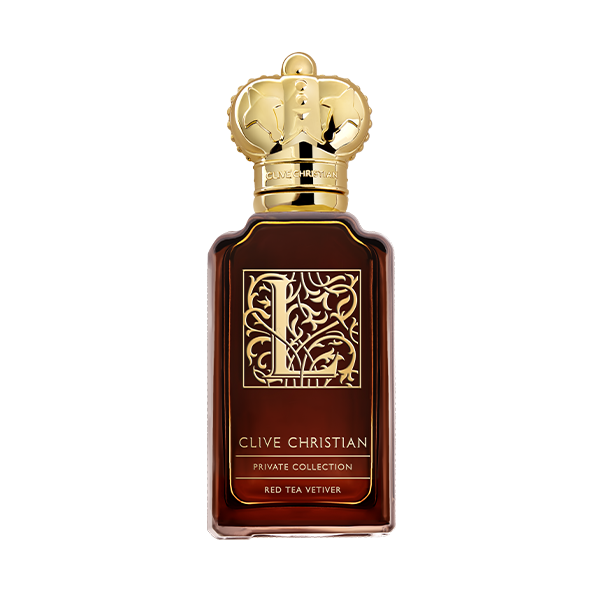
Lemon Primofiore, sandalwood & Rooibos
L Red Tea Vetiver
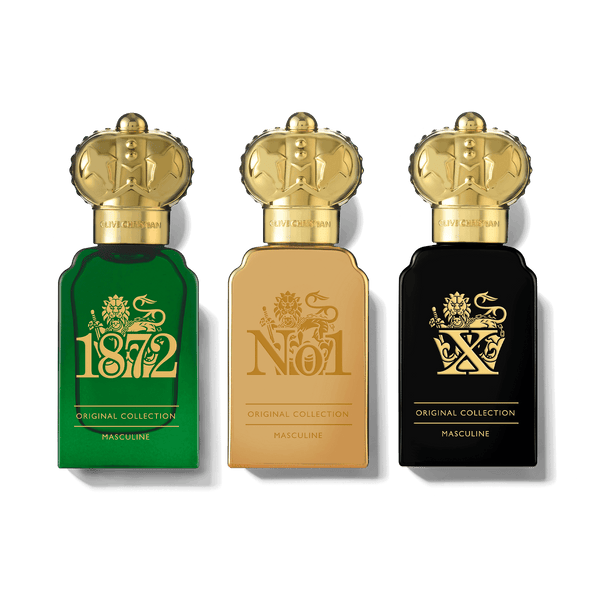
Masculine Traveller Set
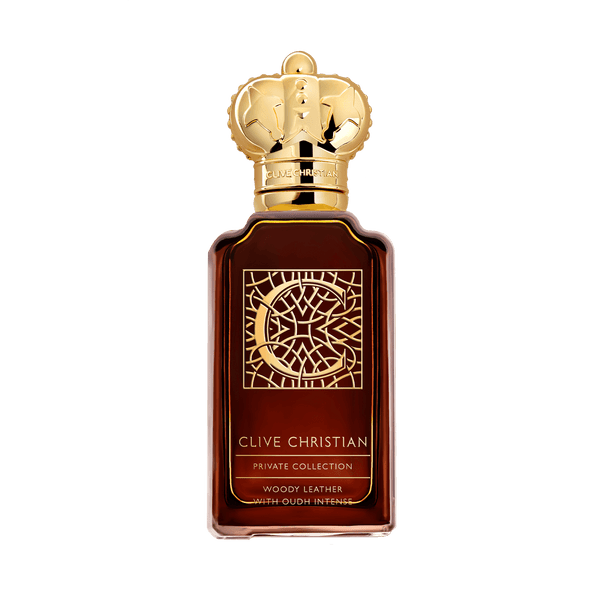
mandarin, tobacco & saffron
C Woody Leather
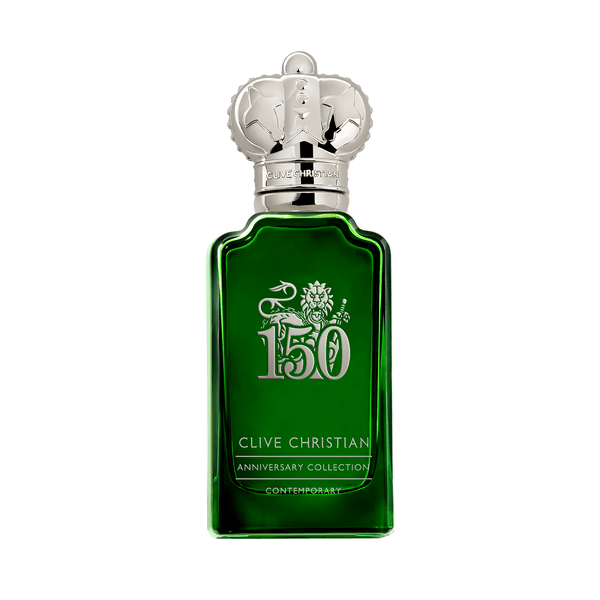
blackberry, cedarwood & geranium
Contemporary
bitter orange, vetiver & lavender
Timeless
Feminine Traveller Set
Clary Sage, Grey Amber & Sandalwood
Town & Country
petitgrain, cedarwood & clary sage
1872 Masculine
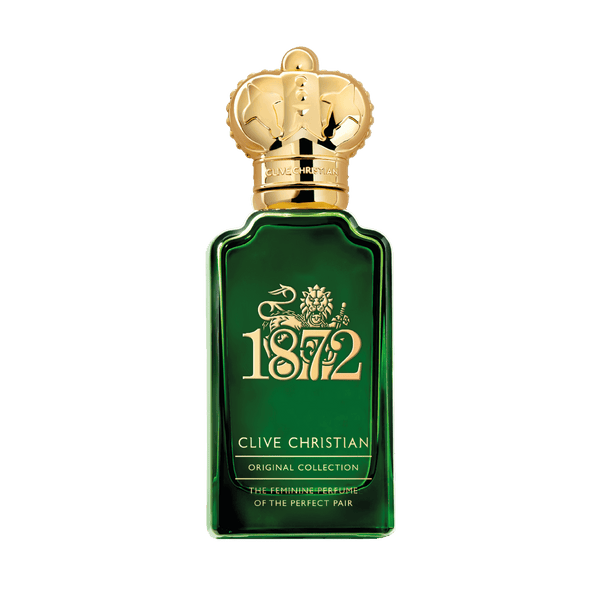
bergamot, patchouli & rose de mai
1872 Feminine
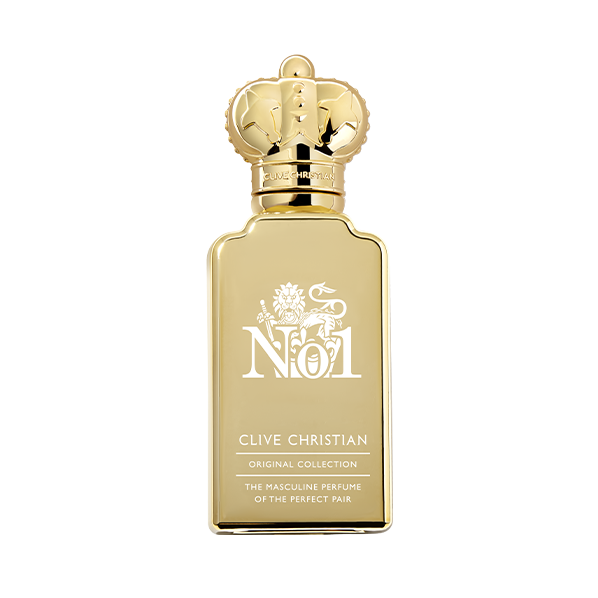
nutmeg, sandalwood & tonka
No1 Masculine
orange bigarade, sandalwood & tuberose
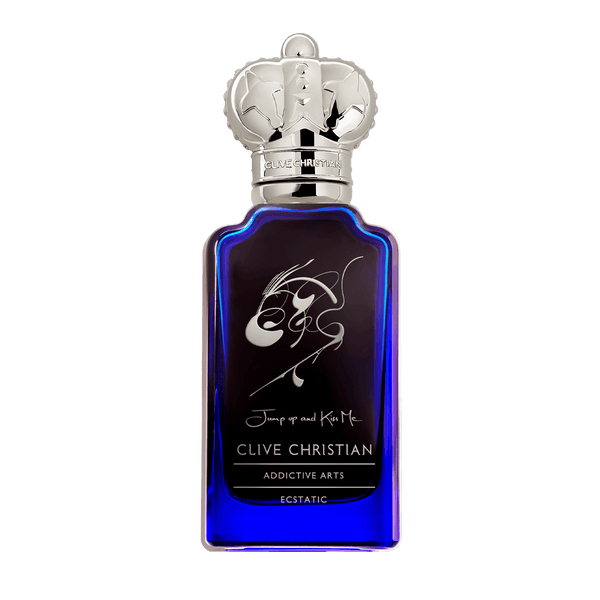
Jump up and Kiss Me Ecstatic
apple blossom, sandalwood & rhubarb
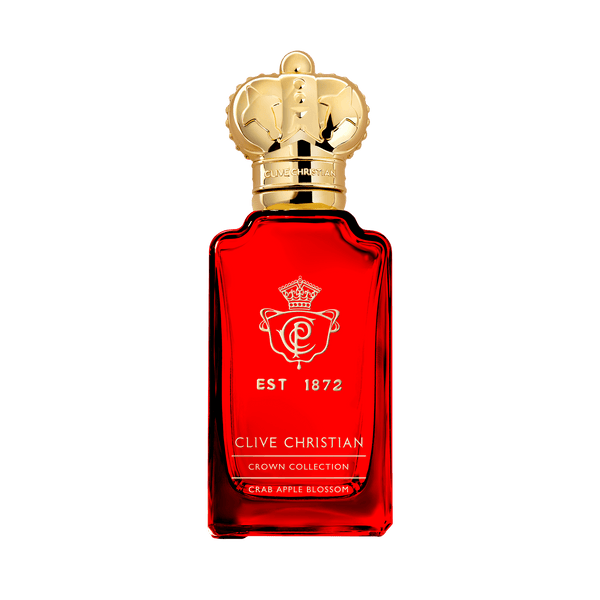
Crab Apple Blossom
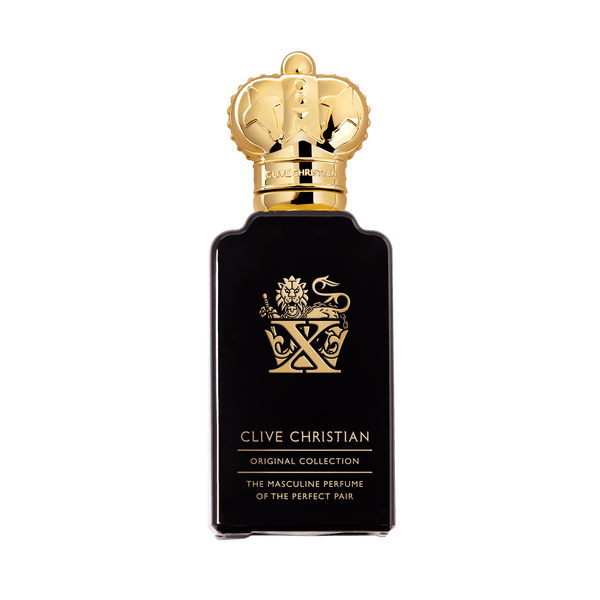
cardamom, oakmoss & orris
X Masculine
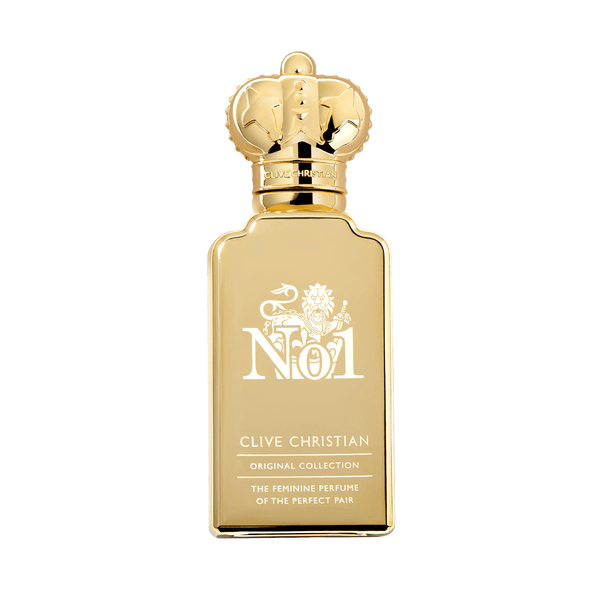
pimento, madagascan vanilla & ylang-ylang
No1 Feminine
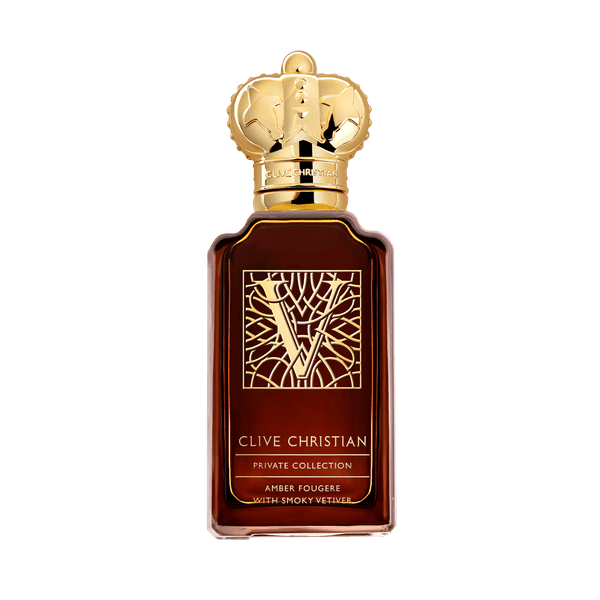
elemi, frankincense & white pepper
V Amber Fougere
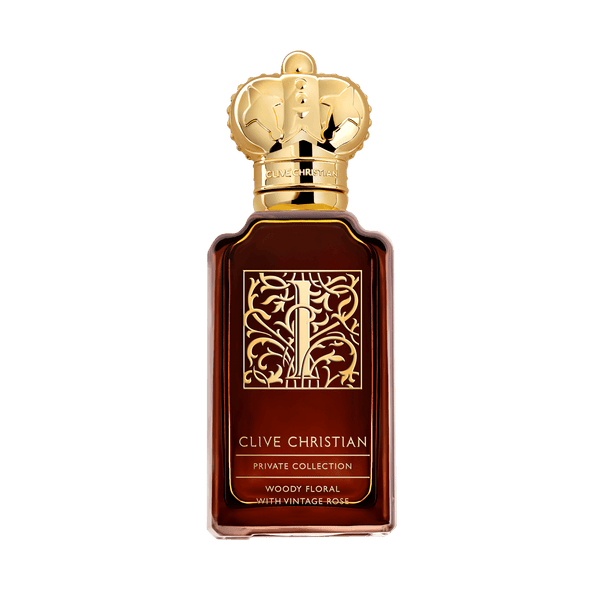
mandarin, patchouli & jasmine
I Woody Floral
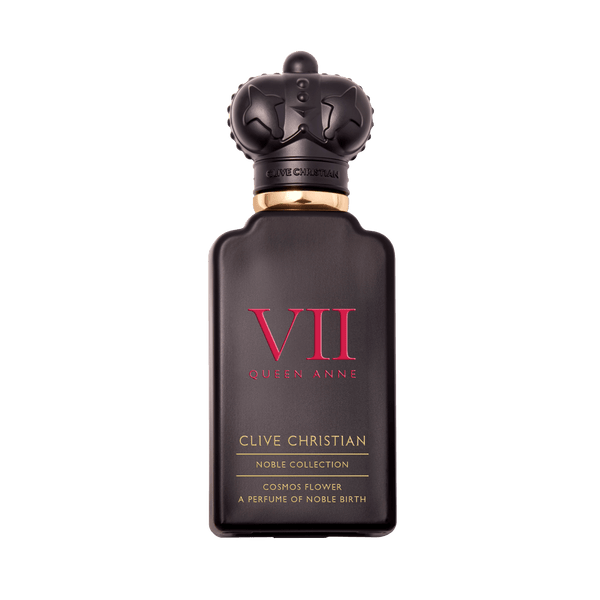
lemon, benzoin & cocoa
Cosmos Flower
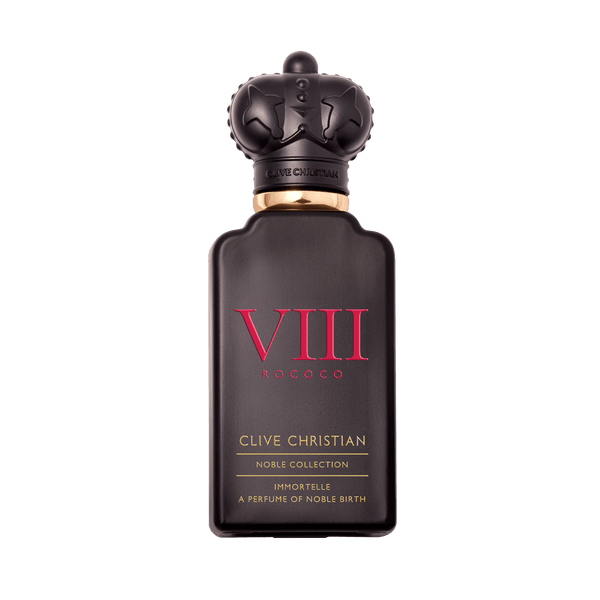
bergamot, papyrus & immortelle
Immortelle
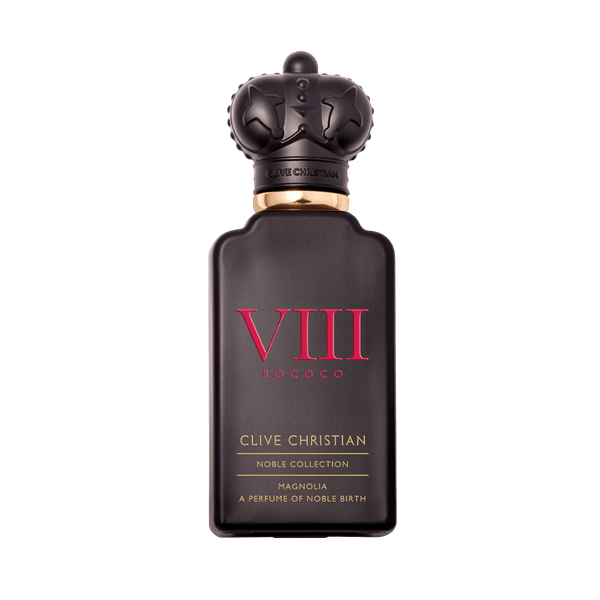
cassis, oakmoss & magnolia
Magnolia
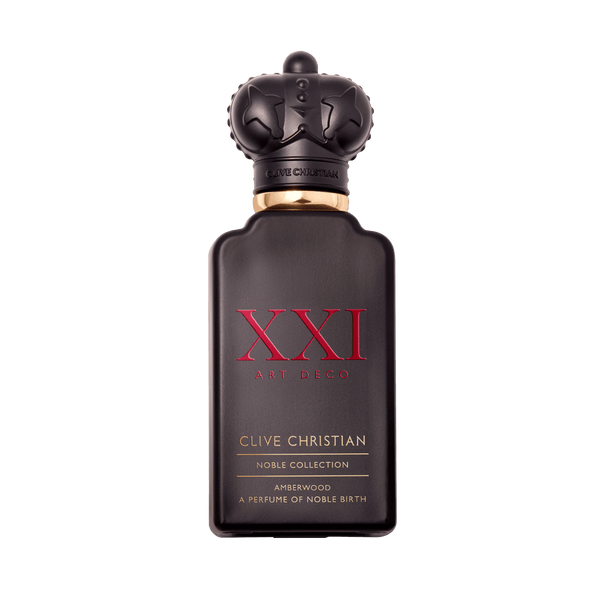
angelica seed, sage absolute & timberwood
Amberwood
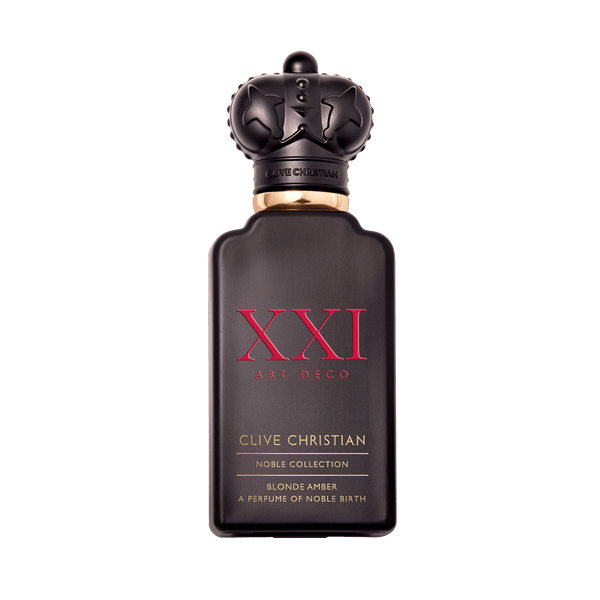
bitter orange, tonka & blonde tobacco
Blonde Amber
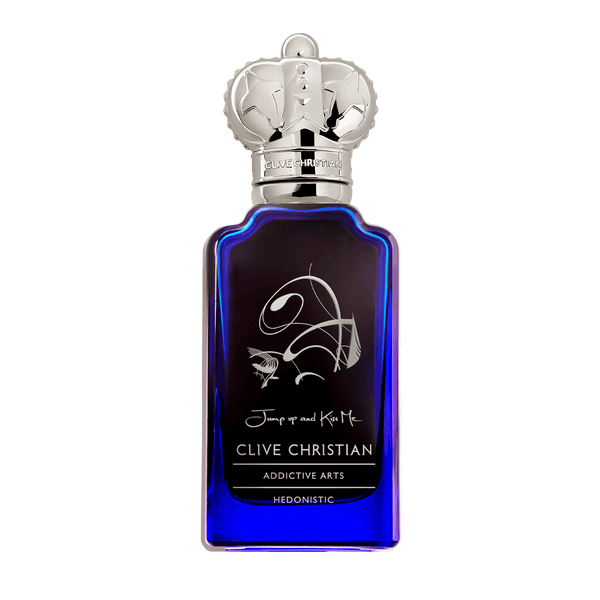
matetea, labdanum & tobacco
Jump up and Kiss Me Hedonistic
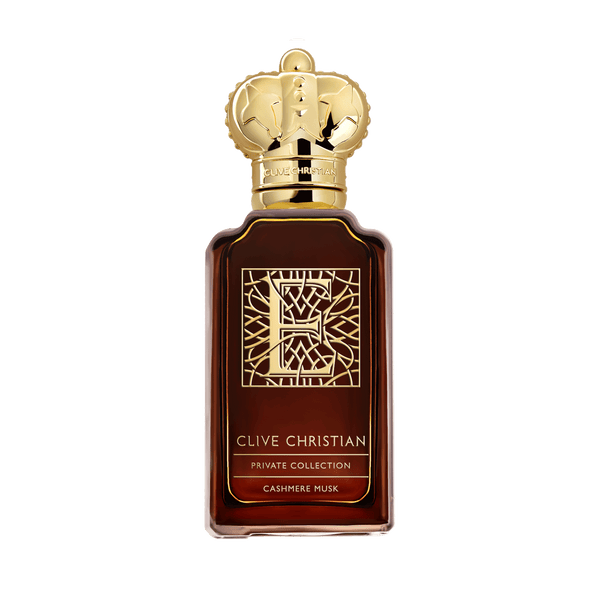
Baies Rose, Musk & Fleuriste Fusion
E Cashmere Musk
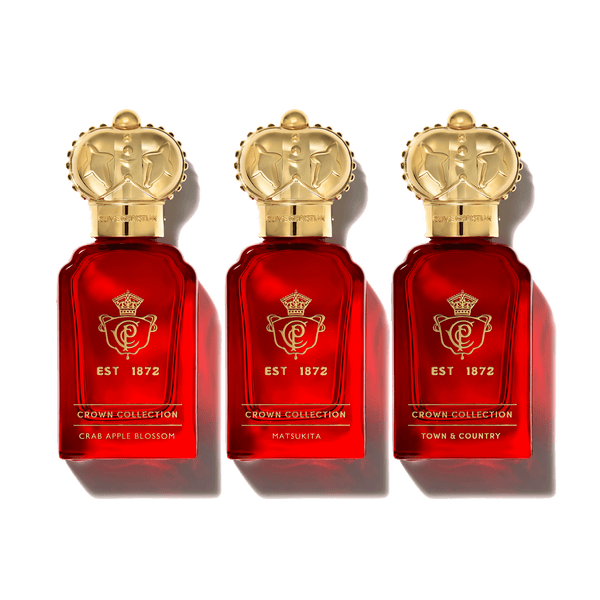
Crown Traveller Set
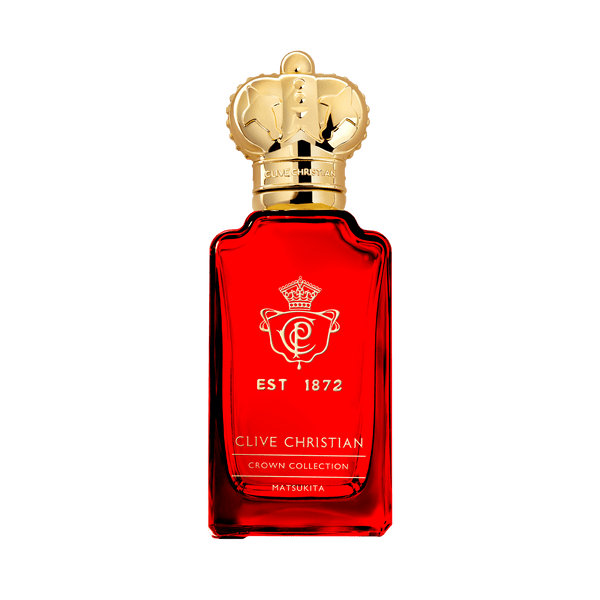
bergamot, oakmoss & mate tea
Matsukita

peach, cashmere musk & jasmine
X Feminine
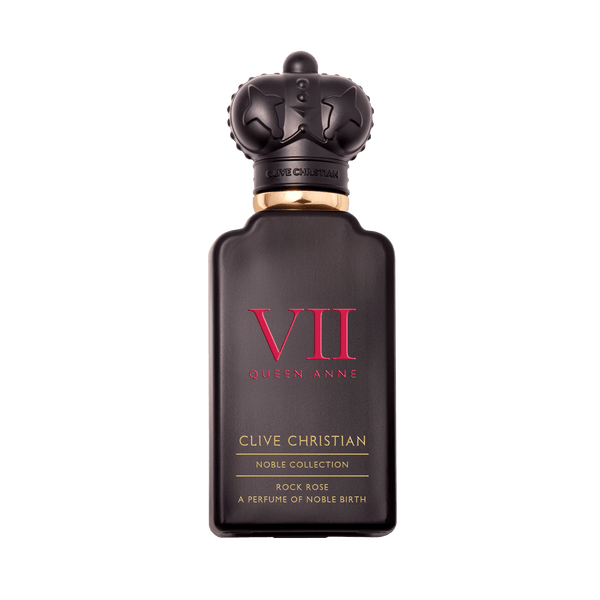
tarocco orange, saffron & rock rose
Rock Rose
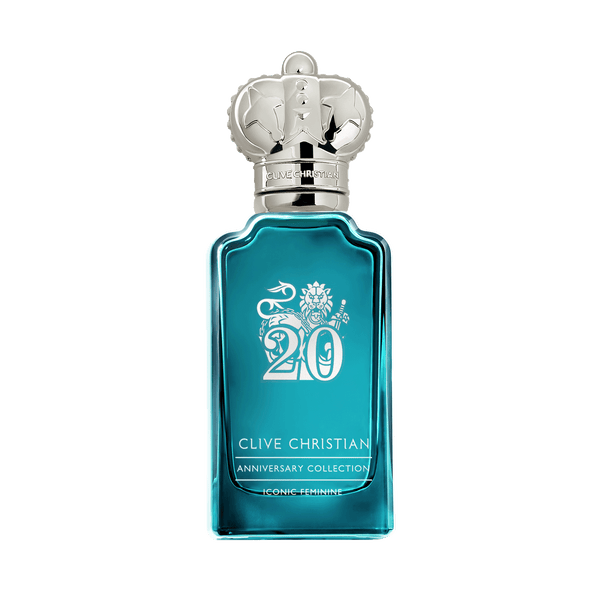
Saffron, Honey & Damask Rose
Iconic Feminine
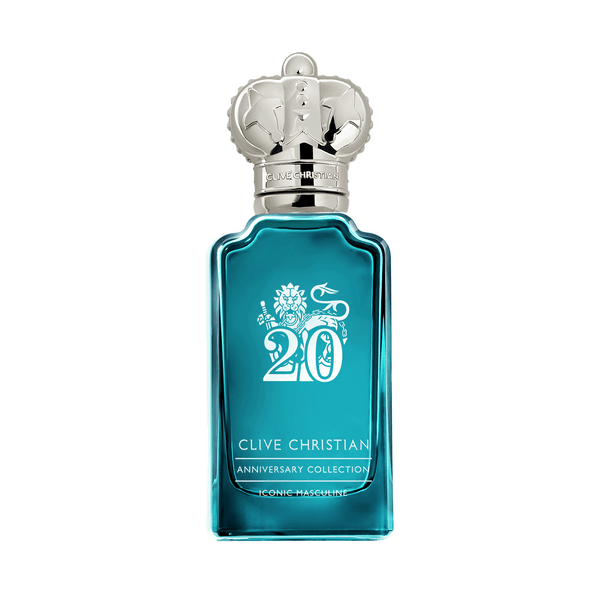
Yuzu, Haitian vetiver & Mandarin
Iconic Masculine


