YOUR CART INCLUDES
YOUR CART IS EMPTY
Subtotal
£0.00 GBP

Notification
Add your email and we'll notify you when this product is back in stock
We respect your privacy and don't share your email with anybody.

perfume facts
SKIN CHEMISTRY AND FRAGRANCE How it changes the way fragrance smells on you
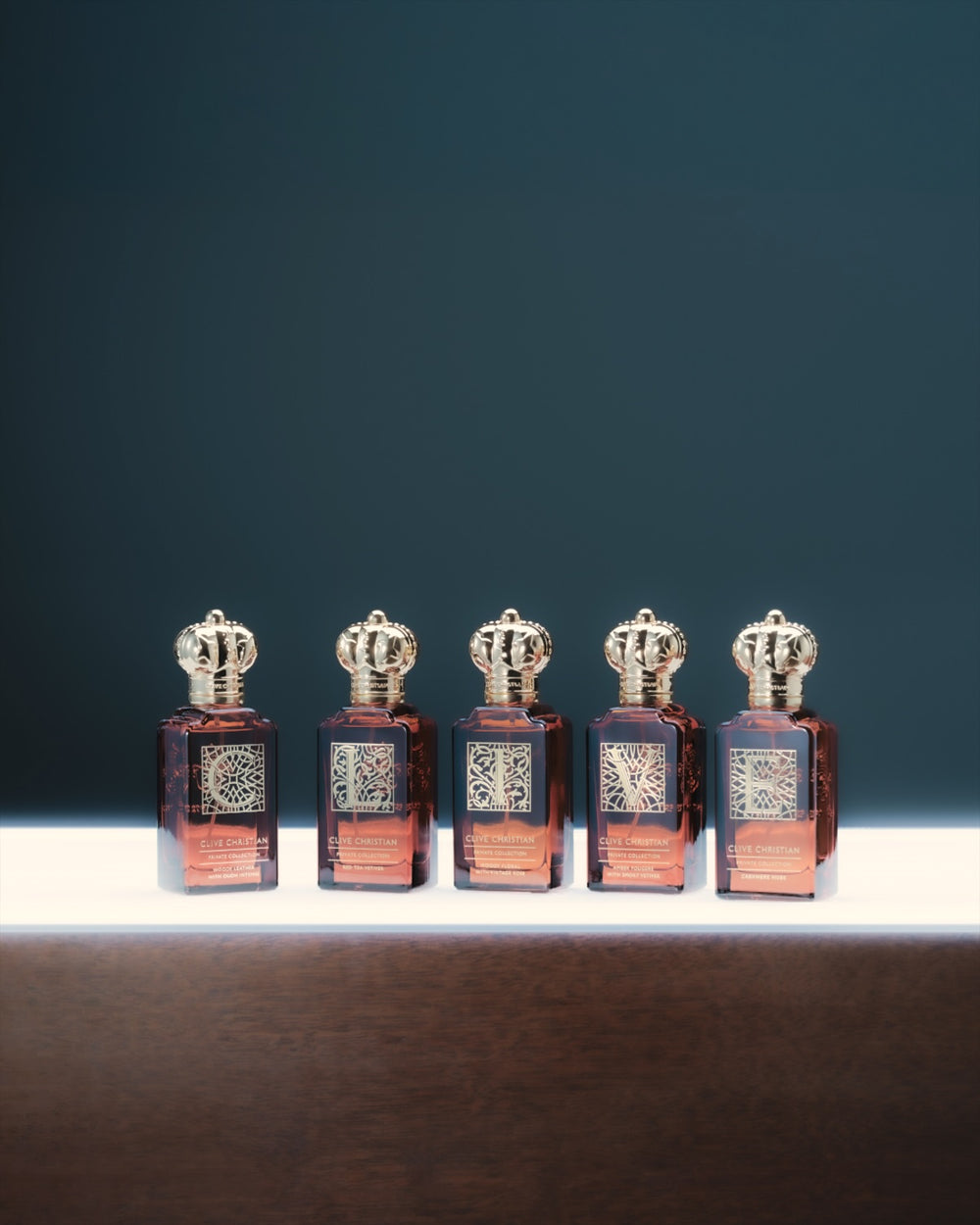
Skin chemistry and fragrance are at the heart of this interaction. It's a combination of both environmental and biological factors. Skin is not neutral. It carries warmth, pH levels, oils, and a natural scent. As soon as a perfume meets the skin, its carefully combined ingredients begin to respond to the unique skin chemistry of the wearer.
From the first spray, the top notes, which are often volatile, present themselves and evaporate quickly. As they fade, the heart notes begin to emerge, followed by the base notes that finally settle into the skin. While this progression through the top, heart and base notes remains similar across different scents, the way each note unfolds can vary between people.
To one person, a fragrance may smell luminous and expansive, with its lighter citrus notes lingering longer. To another, the same composition may soften more rapidly to reveal warmer, deeper notes that endure longer. In other words, the same fragrance can express itself uniquely and adapt to different people.
A perfume blotter offers a more precise introduction to a perfume. It allows the structure of a perfume to reveal itself clearly, without any interference from the skin's chemistry. You'll begin to experience the direction the fragrance takes, whether it gravitates toward a profile that's fresh, floral, rich, or woody.
However, a blotter is a controlled, neutral environment, meaning it won't replicate how the scent will behave once it is worn. On the skin, the fragrance becomes more dimensional. Body temperature can cause a scent to diffuse and expand. Natural skin oils can deepen and intensify it, while dry skin may cause it to fade faster.
This difference matters when choosing a new signature scent. A perfume that feels bolder on paper may reveal itself as understated and refined on the skin, while another may appear subtle at first but deepen as it develops. That's why a blotter should be used as an introduction to a scent before testing the same perfume on the skin. Remember, the full character of a fragrance will only reveal itself once it is worn and has had time to settle.
THE FULL CHARACTER OF A FRAGRANCE WILL ONLY REVEAL ITSELF ONCE IT IS WORN.
How a perfume interacts with the skin is more complex than is often realised, and is shaped by several factors that influence how it opens, settles, and lingers.
Skin type and hydration levels
Skin pH level
Skin temperature
Natural body odour
Fragrance concentration
Note structure
Perfume longevity also varies from one wearer to another. While composition and concentration define a perfume's overall structure, how it interacts and lasts on the skin is, as we mentioned, determined by a person's unique skin chemistry.
Well-hydrated skin often holds fragrance more effectively, as the fragrance molecules cling to the skin's surface. The fragrance develops gradually, and the base notes have more time to fully present themselves.
Body temperature also matters. Warmer skin amplifies how expansive a fragrance feels, but it can make the scent more fleeting. Cooler skin, in contrast, may soften the opening notes and slow how a fragrance develops over time. For more ways to extend wear, see our guide on how to make perfume last longer.

Where you apply fragrance directly influences how it develops throughout the day. Ideally, focus on the pulse points: the wrists, the sides of the neck, and behind the ears. These pulse points help the scent unfold with the body's natural warmth, creating an elegant aura around you rather than a direct surge of scent.
For a more refined wearing experience, apply the perfume along the collarbone and inner elbows. These areas are less exposed and allow the fragrance to progress elegantly and intentionally, rather than all at once.
A lighter, final mist through the hair and clothing can also help extend the presence of your fragrance, though it should be applied sparingly, as fabrics can hold scent for longer. Remember, a well-placed fragrance should move with you, rather than arrive before you do.
A WELL-PLACED FRAGRANCE SHOULD MOVE WITH YOU, RATHER THAN ARRIVE BEFORE YOU DO.
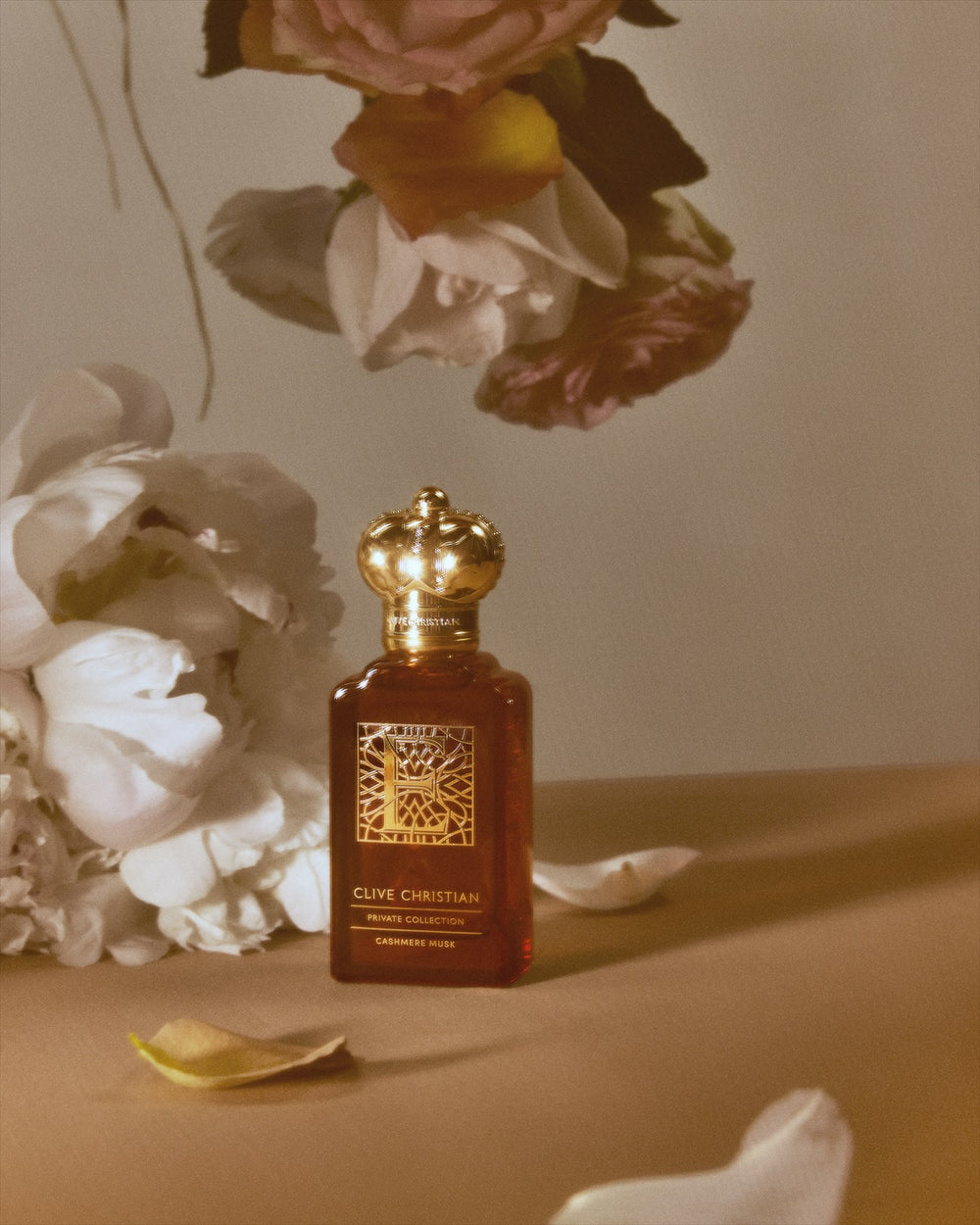
The ideal amount of perfume depends on the strength of the fragrance and the context in which it is worn. Note the concentration: a richer perfume with a higher concentration requires less, while lighter formulas may need slightly more to achieve a balanced experience.
Two or three sprays are often enough for most perfumes, though the surrounding environment also matters. In close, intimate settings, a lighter application of the right perfume will keep the fragrance memorable without being overpowering. In open-air settings, slightly more can be used so the scent projects further.
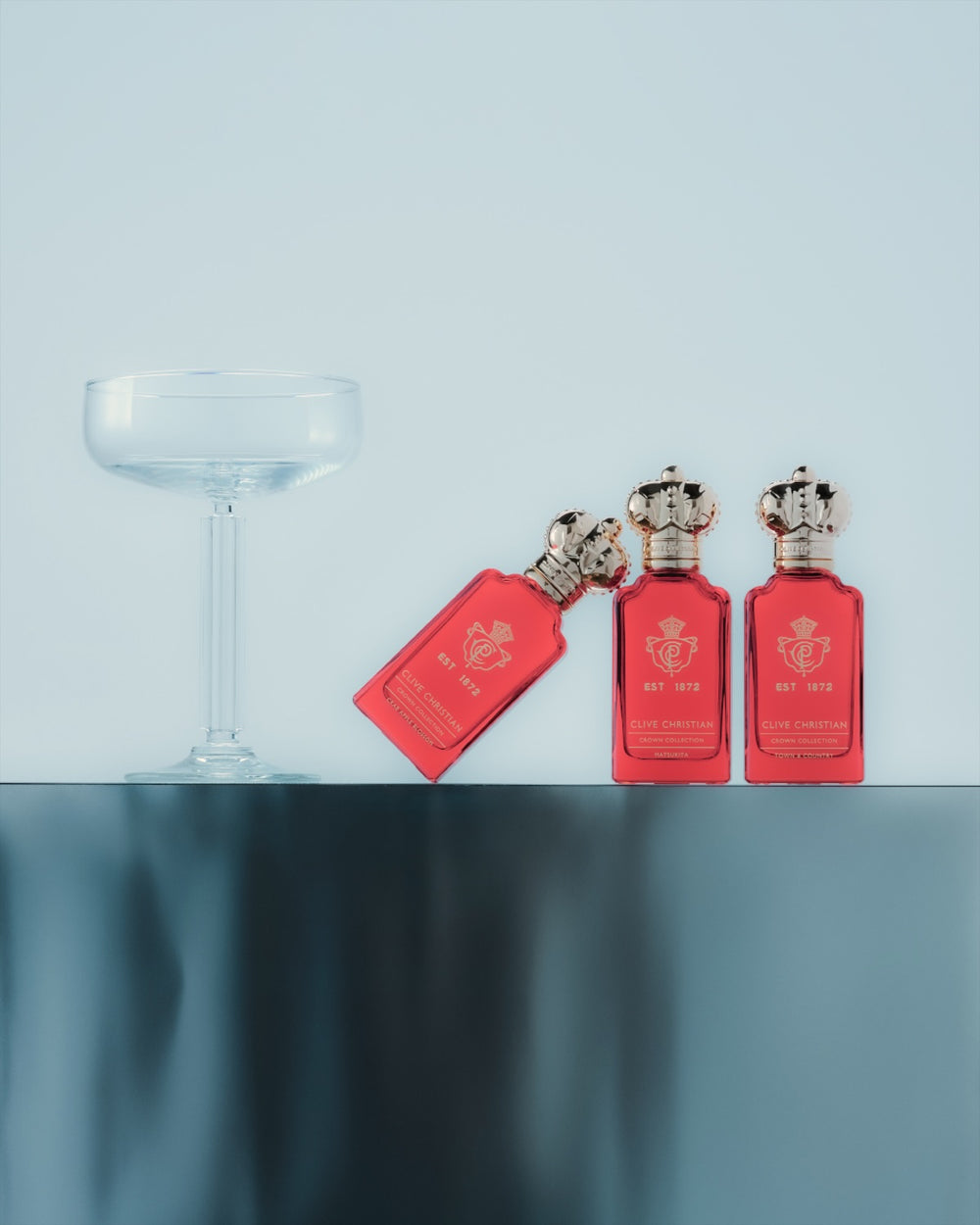
Testing fragrance properly can help you find a signature scent that reflects who you are. For a first impression, use a blotter or spray the perfume in the air to be introduced to its top notes. Then apply a subtle amount to the skin for a further reading of the heart notes. Once applied, allow the fragrance to settle for at least 20 minutes before forming a final opinion. The true identity of a scent often emerges with time.
Avoid testing too many fragrances at once, as the nose can quickly lose the distinction between scents. Limit yourself to two or three perfumes at a time for a clearer comparison.

A fragrance that truly suits you should be judged by how it evolves with your natural scent over time. The right perfume smells and feels like an extension of your identity and presence, rather than something you layer on top of it.
Pay attention to which notes feel most balanced on your skin. Some compositions may appear brighter and more radiant, while others may develop into something deeper, warmer, and more intimate. These progressions are part of how scents interact with your unique skin chemistry.
Over time, you may find that certain olfactive families, whether floral, woody, or gourmand, suit your skin chemistry better than others. In the end, choosing the right perfume comes down to your personal preference and your understanding of how fragrances interact with you specifically.
Explore the Clive Christian collection and discover how each composition unfolds on you.
Frequently asked questions
Why does perfume smell different on skin than on paper?
Does oily skin make perfume last longer?
Where should I spray perfume for longevity?
How many sprays of perfume should I use?
Can skin chemistry make a fragrance smell sweeter, sharper, or warmer?
bestsellers


Coffee, Cocoa Absolute & Jasmine
Strange Heavens Out of the Blue

Gift Card
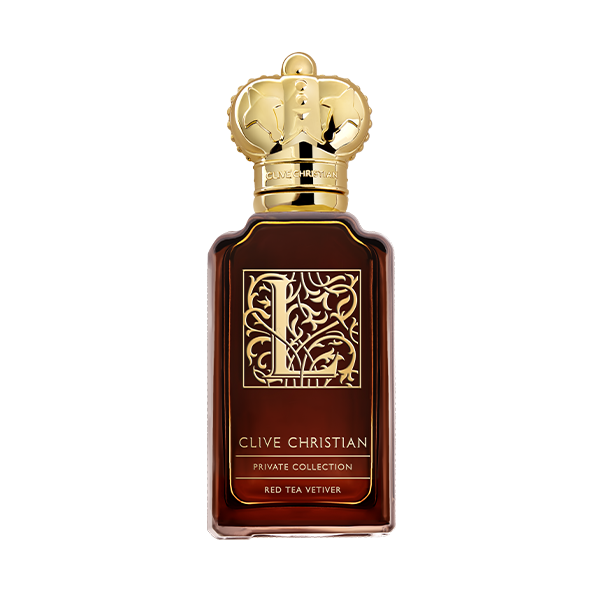
Lemon Primofiore, sandalwood & Rooibos
L Red Tea Vetiver
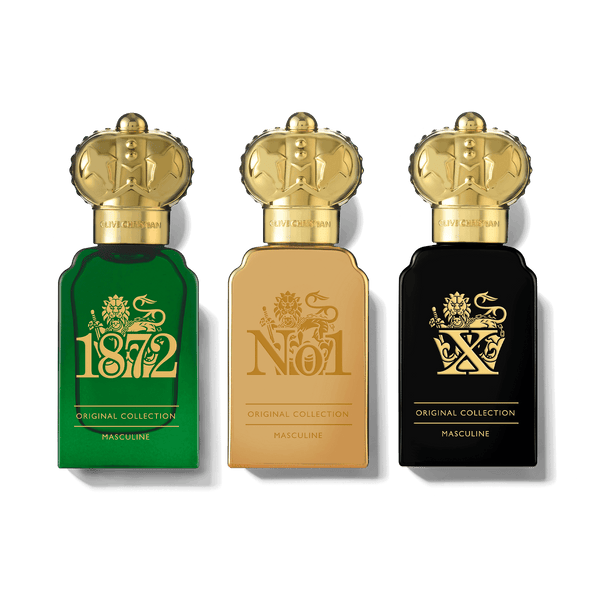
Masculine Traveller Set
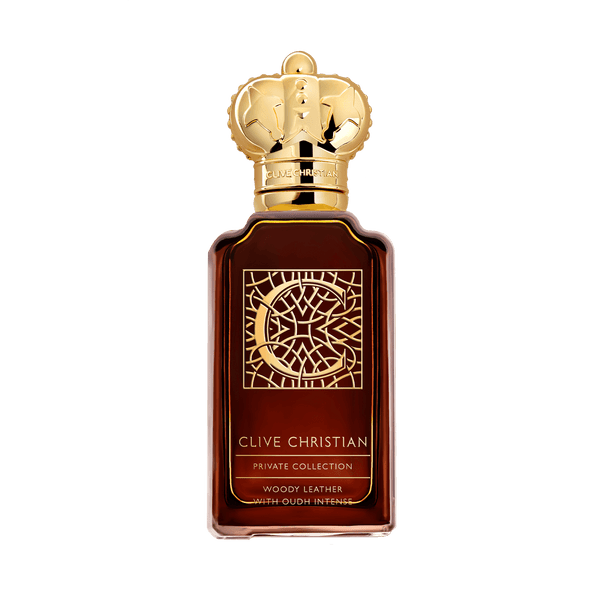
mandarin, tobacco & saffron
C Woody Leather
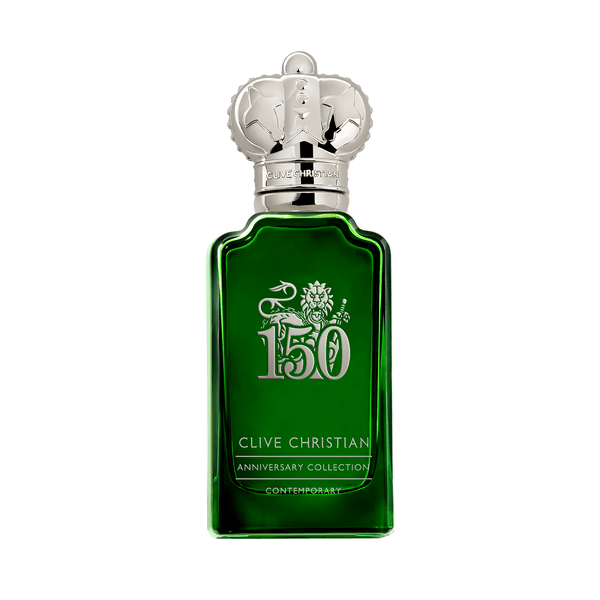
blackberry, cedarwood & geranium
Contemporary
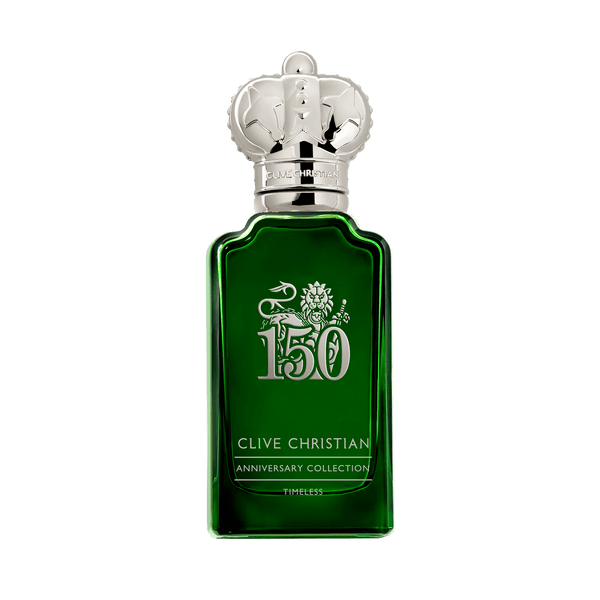
bitter orange, vetiver & lavender
Timeless
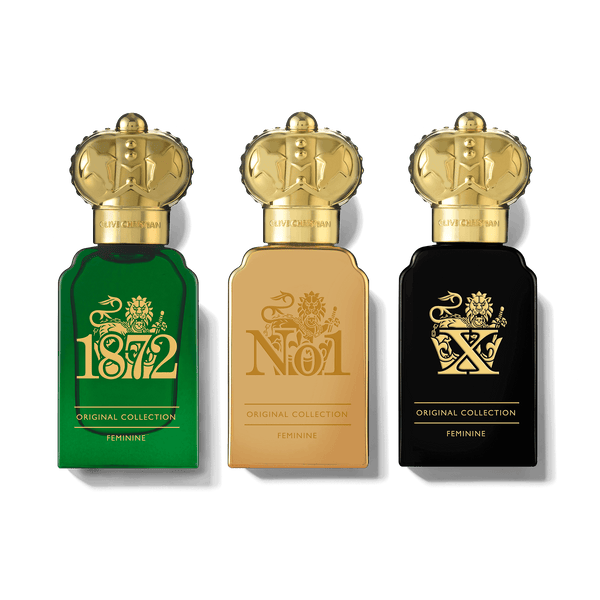
Feminine Traveller Set
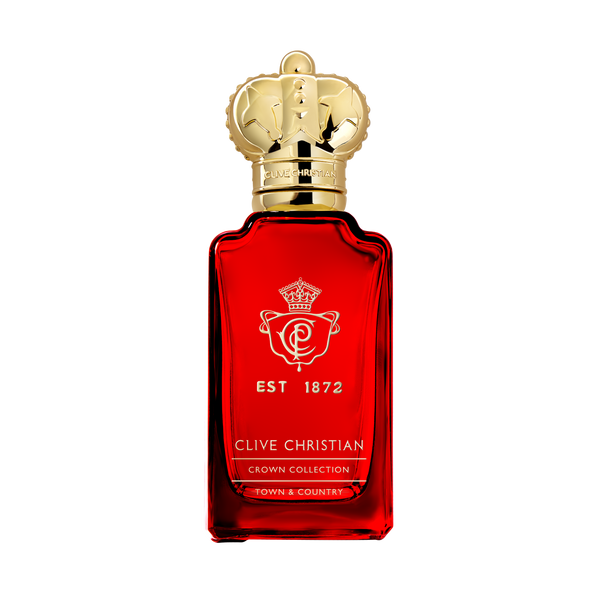
Clary Sage, Grey Amber & Sandalwood
Town & Country
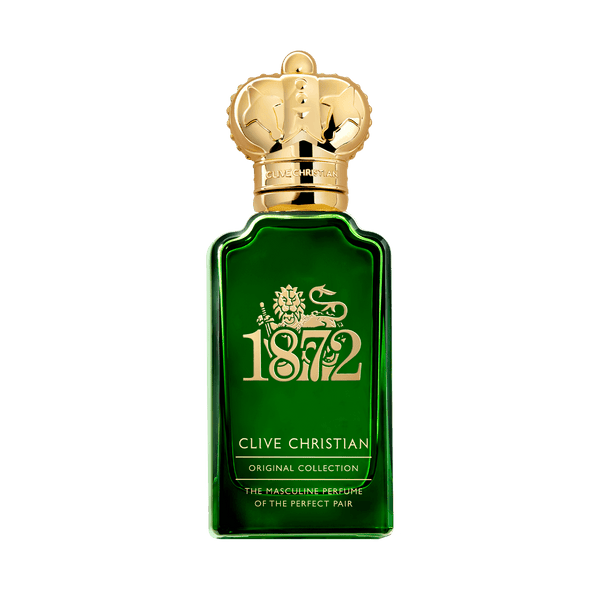
petitgrain, cedarwood & clary sage
1872 Masculine
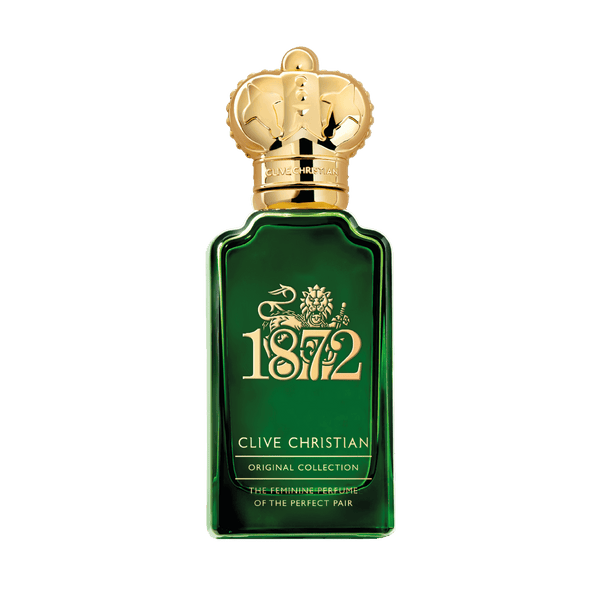
bergamot, patchouli & rose de mai
1872 Feminine
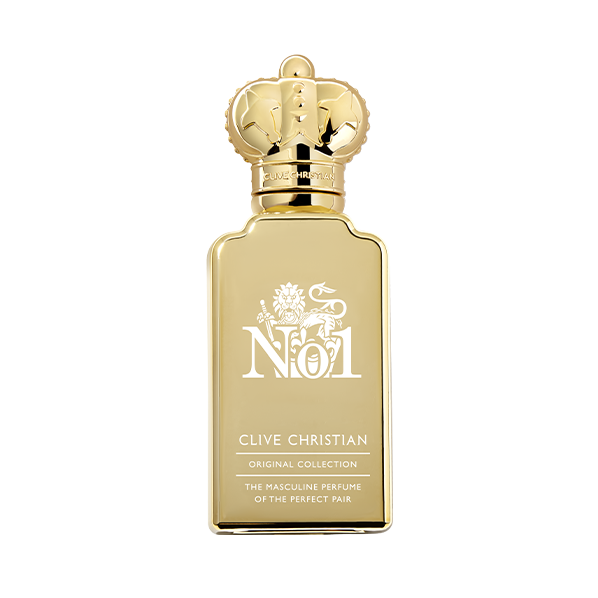
nutmeg, sandalwood & tonka
No1 Masculine
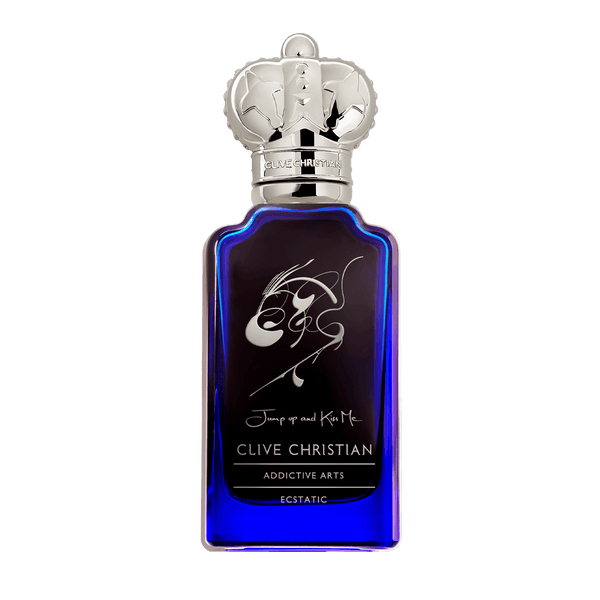
orange bigarade, sandalwood & tuberose
Jump up and Kiss Me Ecstatic
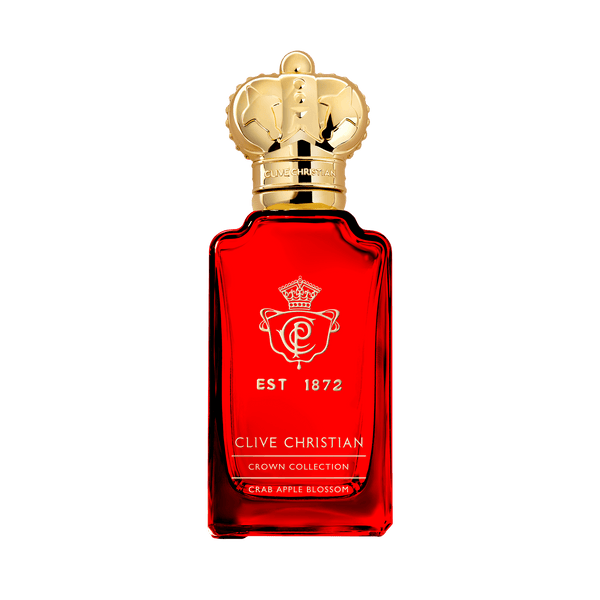
apple blossom, sandalwood & rhubarb
Crab Apple Blossom
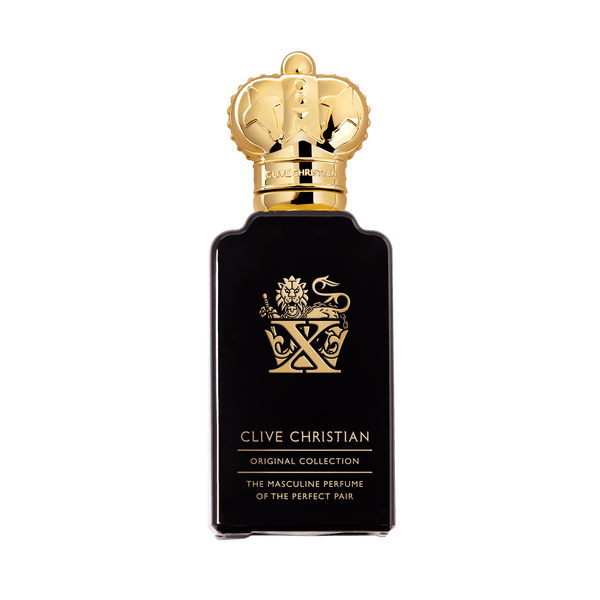
cardamom, oakmoss & orris
X Masculine
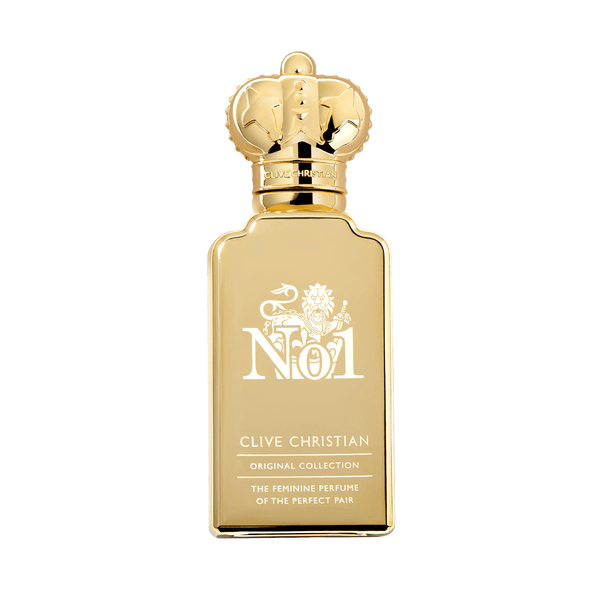
pimento, madagascan vanilla & ylang-ylang
No1 Feminine
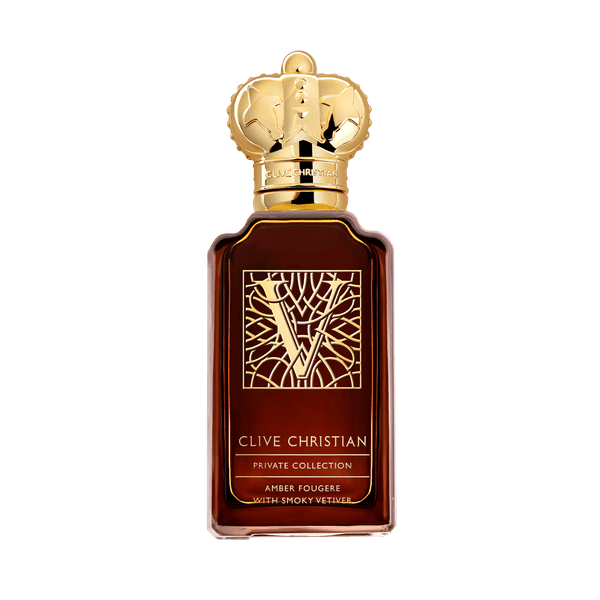
elemi, frankincense & white pepper
V Amber Fougere
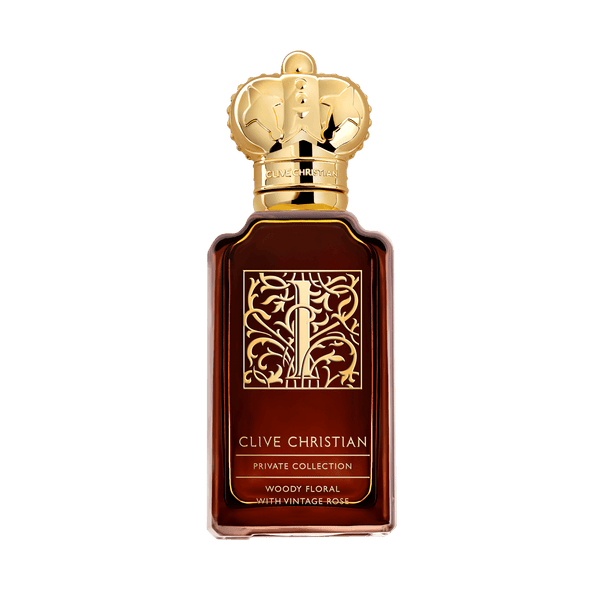
mandarin, patchouli & jasmine
I Woody Floral
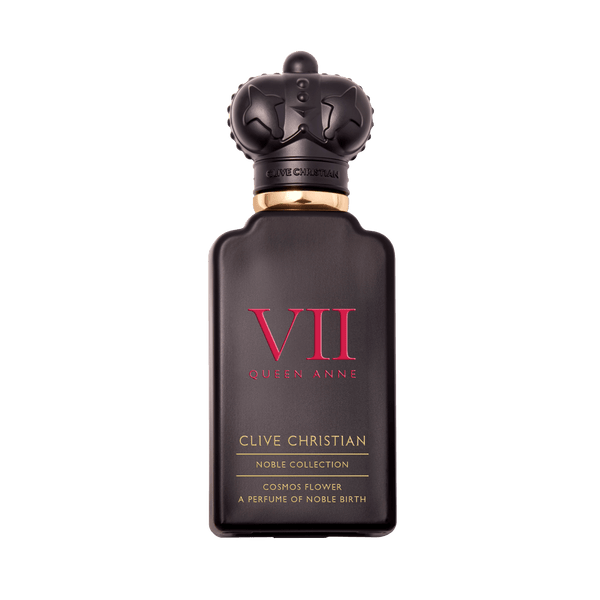
lemon, benzoin & cocoa
Cosmos Flower
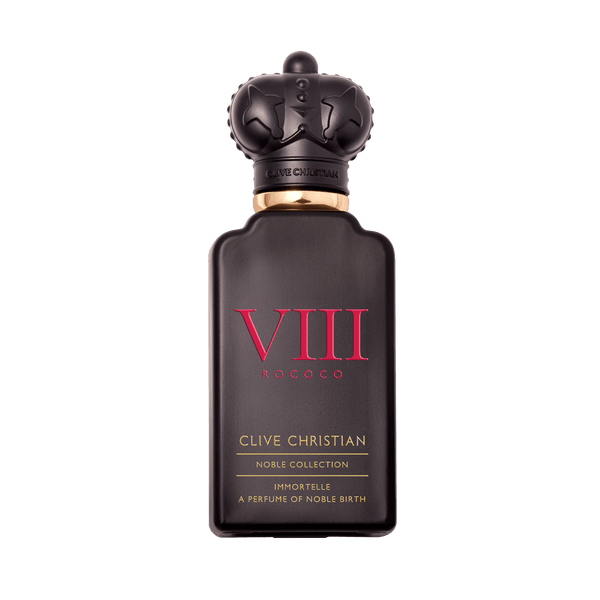
bergamot, papyrus & immortelle
Immortelle
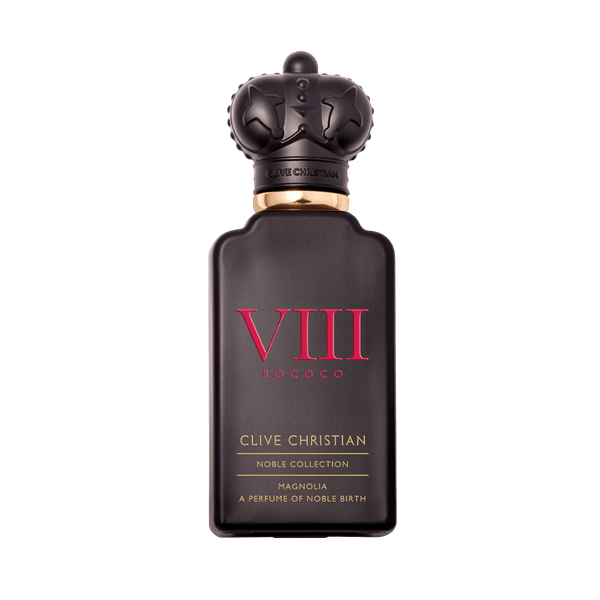
cassis, oakmoss & magnolia
Magnolia
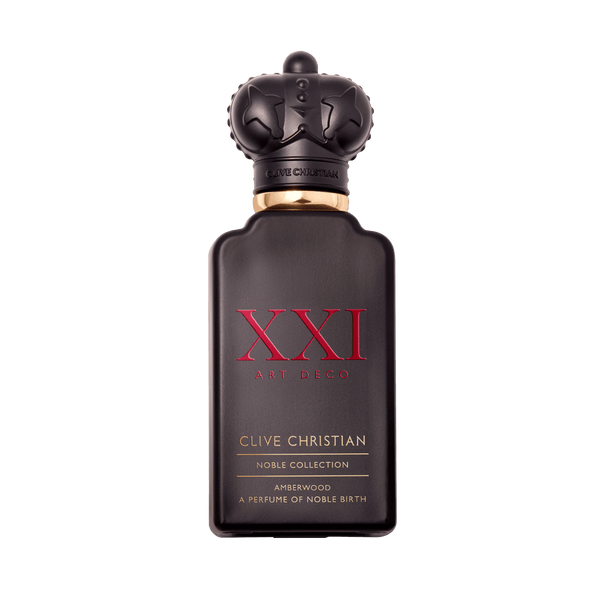
angelica seed, sage absolute & timberwood
Amberwood
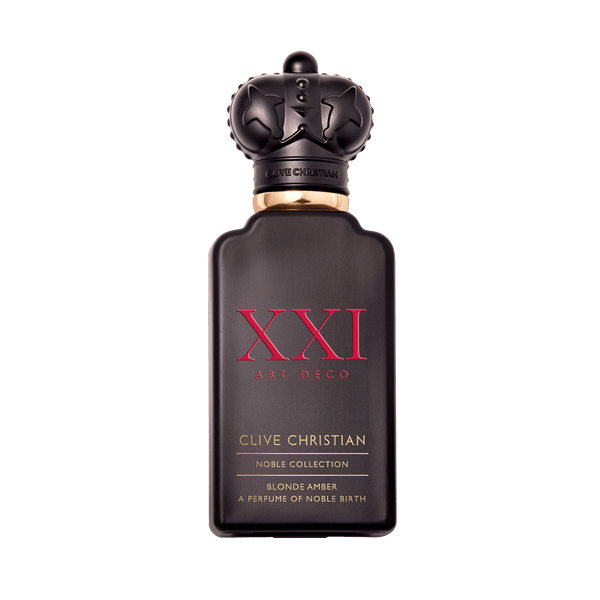
bitter orange, tonka & blonde tobacco
Blonde Amber
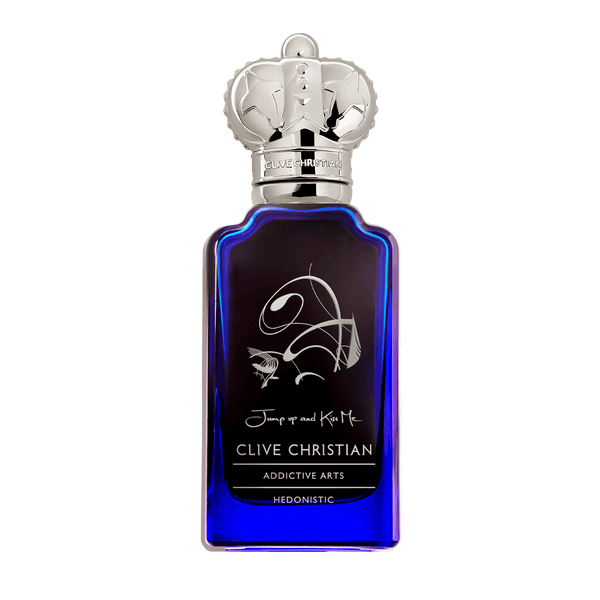
matetea, labdanum & tobacco
Jump up and Kiss Me Hedonistic
Baies Rose, Musk & Fleuriste Fusion
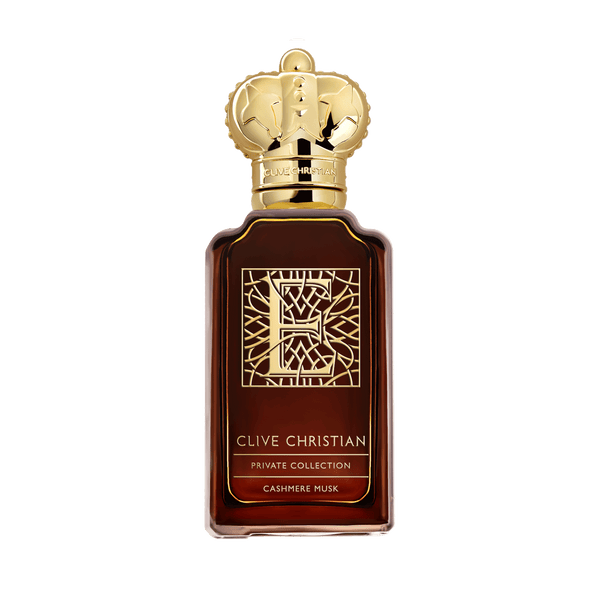
E Cashmere Musk
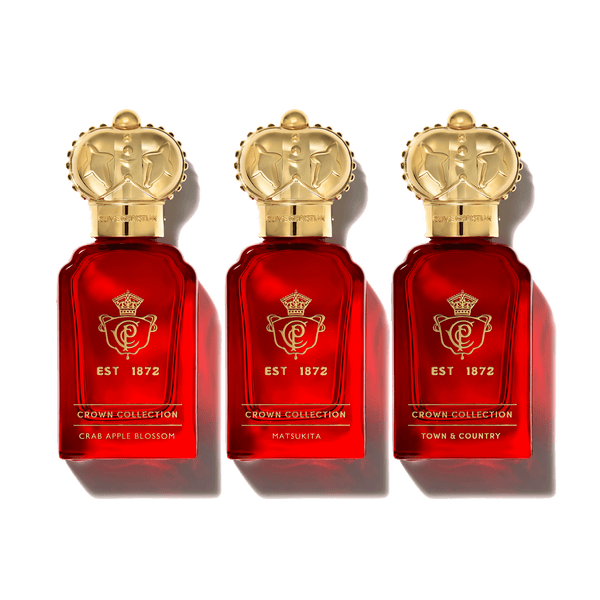
Crown Traveller Set
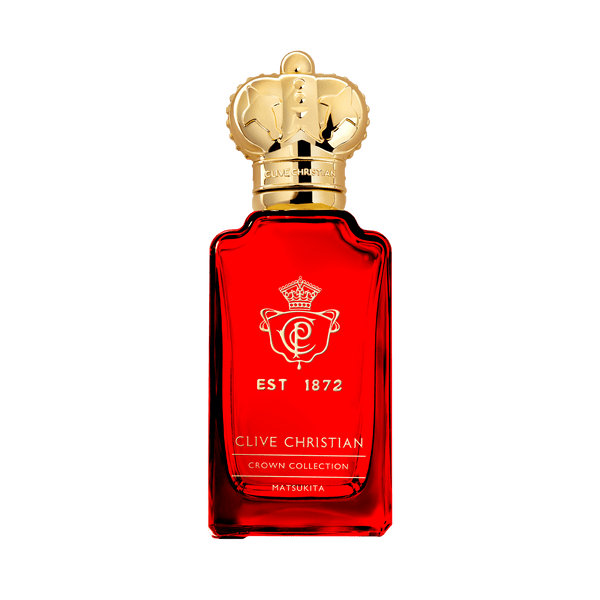
bergamot, oakmoss & mate tea
Matsukita

peach, cashmere musk & jasmine
X Feminine
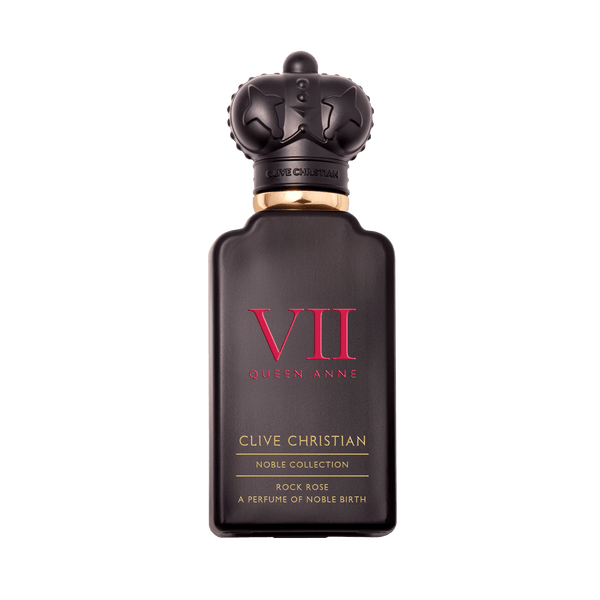
tarocco orange, saffron & rock rose
Rock Rose
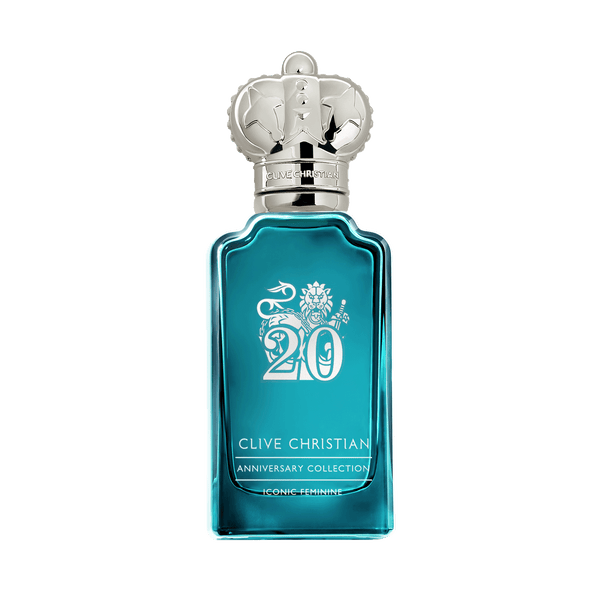
Saffron, Honey & Damask Rose
Iconic Feminine
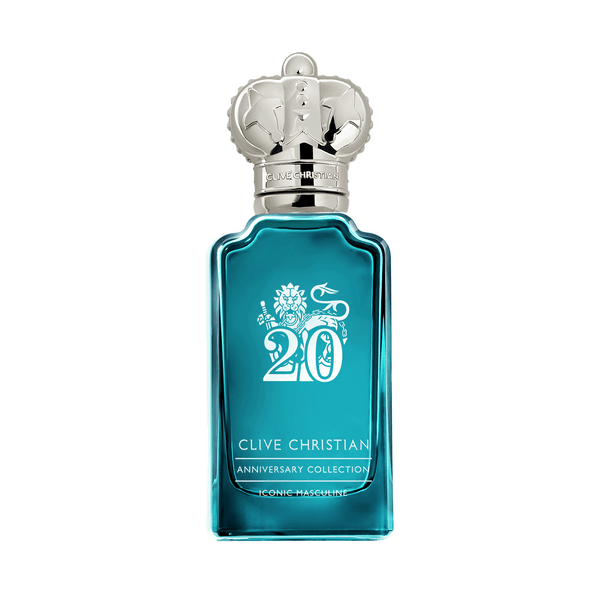
Yuzu, Haitian vetiver & Mandarin
Iconic Masculine


