YOUR CART INCLUDES
YOUR CART IS EMPTY
Subtotal
£0.00 GBP

Notification
Add your email and we'll notify you when this product is back in stock
We respect your privacy and don't share your email with anybody.

perfume facts
CANDLE CARE GUIDE How to burn, trim and make luxury candles last longer
Here's a quick rundown to help luxury candle owners extend the life of their candles:
- Place it on a stable, heat-resistant surface
- Check that the wax is clear of pieces of wick or other debris
- Make sure there is nothing close to the flame that could catch fire
- Keep out of reach of children and pets when lit
- Never leave a burning candle unattended
- Keep the candle away from direct draughts
- Let the wax and vessel cool before moving the candle
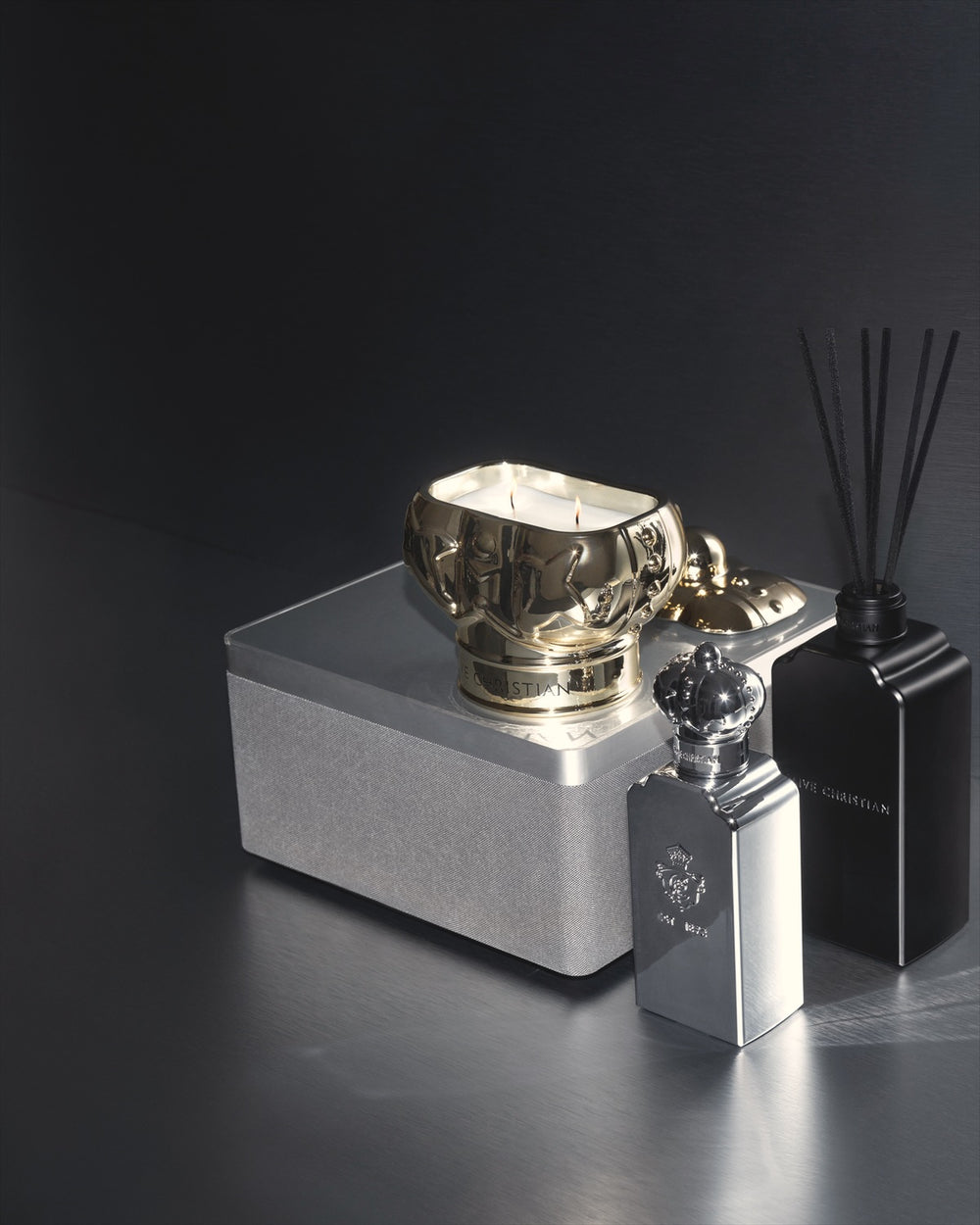
Consider where you plan to place your candle, as it can affect the way it burns, especially if it is close to an open window or vent. When placed next to a draught, you may notice the flame leaning to one side or moving around more than usual, and over time that can affect the way the wax melts.
Also, before lighting the candle again, check that the wax is clear of any loose pieces of wick or other debris, as anything left near the wick or on top of the wax could affect the way the flame burns.
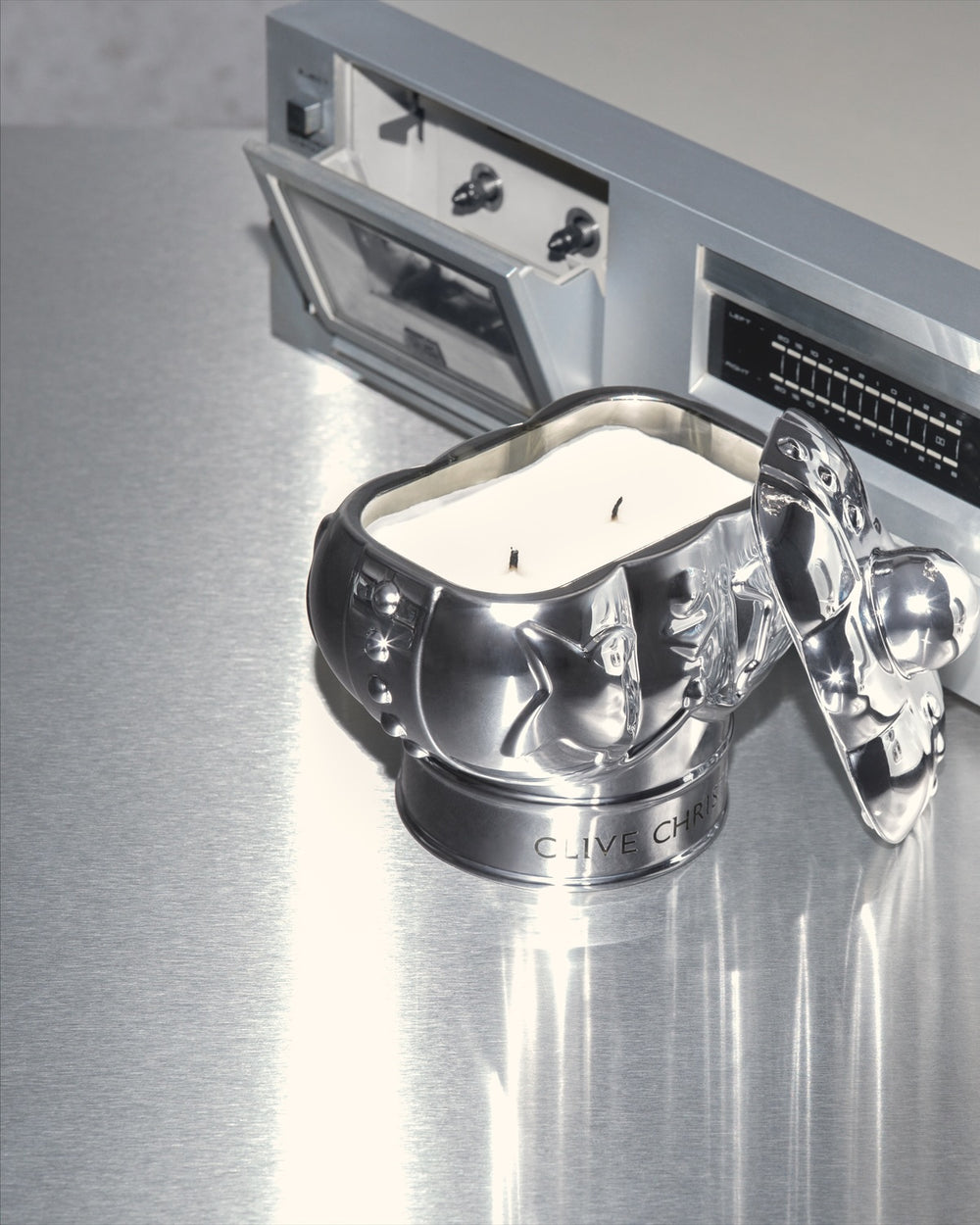
After burning a candle, the wick may be a little longer, or you may notice a darkened piece forming at the tip. You can fix this by trimming the wick once the candle has cooled. For candles inside long and narrow vessels, a wick trimmer can help you make a clean cut when the wick gets too low to reach.
While the National Candle Association recommends trimming the wick to one-quarter of an inch (0.635 centimetres) before every use, it's generally best to follow the individual candle's instructions, as the right length of the wick can depend on the type of wick being used.
THOSE INSTRUCTIONS SHOULD ALWAYS COME FIRST.
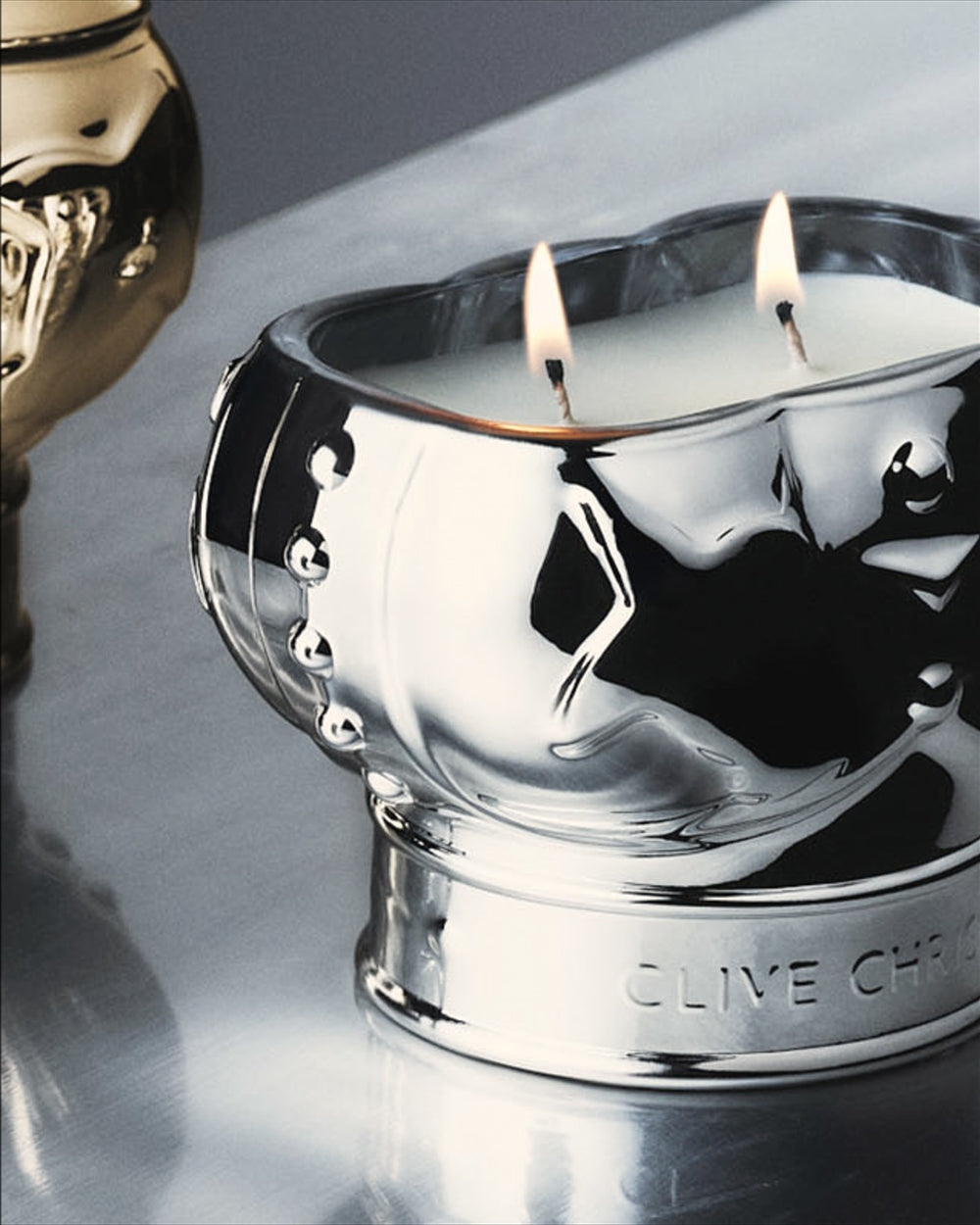
The wax around the wick begins to melt first once it's been lit, which then slowly spreads further across the surface. This is known as the melt (wax) pool, and you will usually see it continue to widen the longer the candle burns.
But if only the wax around the wick is melting each time you use the candle, more wax can gradually be left around the sides of the vessel as the centre burns lower. This is what is known as tunnelling.
You can prevent this by allowing the candle enough time to burn more evenly. However, the burn limit on the label should still come first. If that time has been reached, you should still extinguish the candle even if the outer wax has not melted yet.
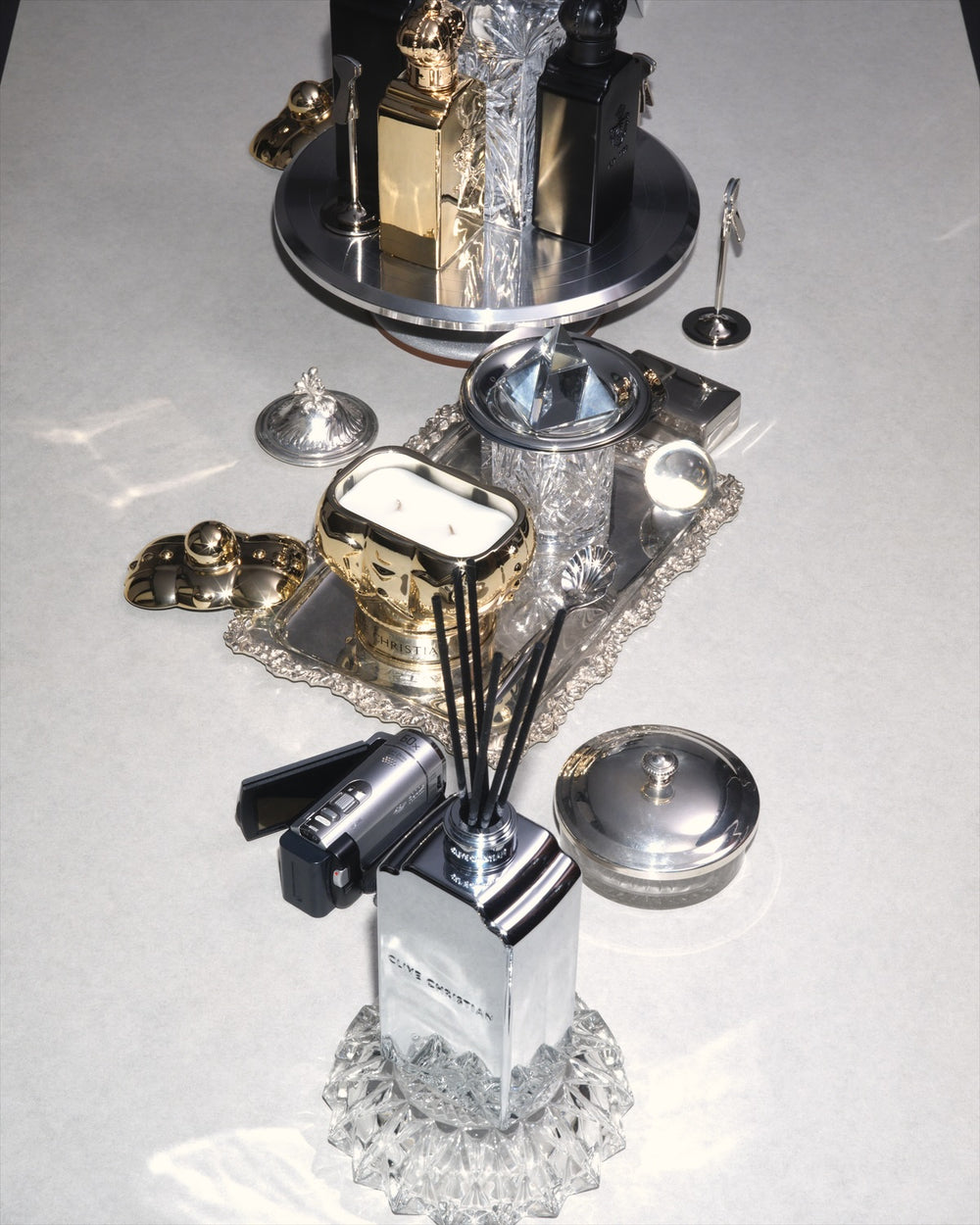
When you are ready to put the candle out, check the care instructions first, as some candles may recommend a particular method. You can gently blow out the flame, although a candle snuffer can make it easier to extinguish and avoid the possibility of any hot wax splashing.
As the wax will still be hot, leave the candle where it is until both the wax and vessel have cooled. Also, try to avoid moving the wick while the wax is still liquid, as that might move it away from the centre and change the way the candle burns later.
Why is my candle tunnelling?
Why is my burning candle producing soot?
Why has the wick mushroomed?
Why is the flame flickering or unusually high?
Why does the fragrance seem weaker?
If you want to help your scented candle last longer:
- Let the wax melt evenly where possible, as this can help reduce tunnelling over repeated burns
- Maintain the wick according to the candle's instructions
- Remove any wick trimmings before lighting it again
- Keep the candle somewhere cool and away from direct sunlight
- Cover with the lid once the wax has fully cooled to help keep the surface free of dust and other debris

A cool, dry place is generally better for storing luxury candles, away from strong heat or direct sunlight, such as a sunny windowsill. Exposure to heat over time can affect the wax and may also change the fragrance.
Nevertheless, you should check the label for the minimum wax level or any other end-of-use guidance, as this can differ from one candle to another.
You should also stop using the candle if the vessel is cracked or damaged, as the heat can make the damage worse and increase the chance of the vessel breaking.
bestsellers


Coffee, Cocoa Absolute & Jasmine
Strange Heavens Out of the Blue

Gift Card
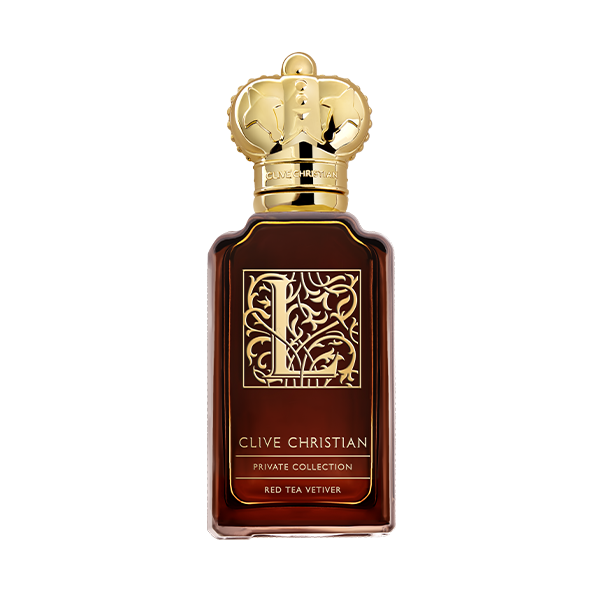
Lemon Primofiore, sandalwood & Rooibos
L Red Tea Vetiver

Masculine Traveller Set

mandarin, tobacco & saffron
C Woody Leather
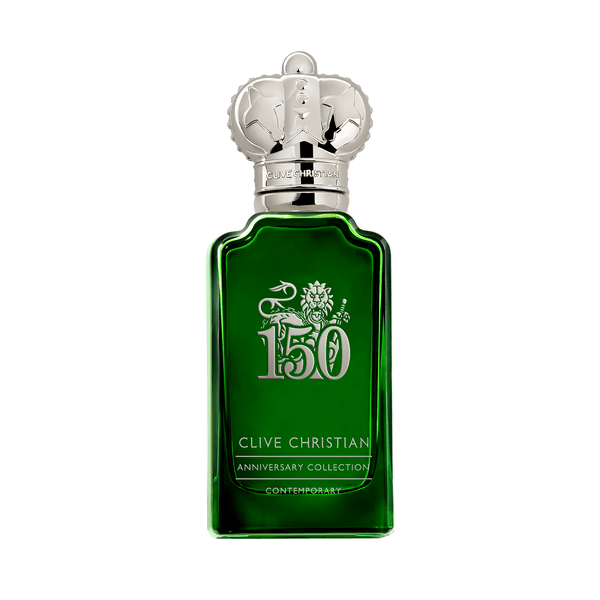
blackberry, cedarwood & geranium
Contemporary
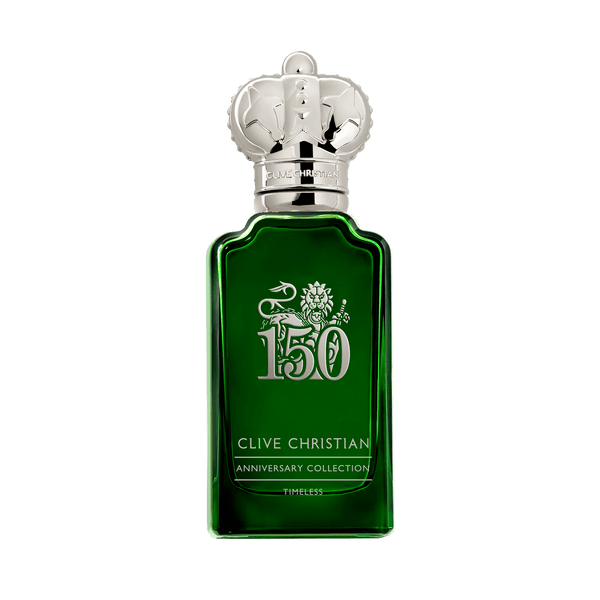
bitter orange, vetiver & lavender
Timeless

Feminine Traveller Set
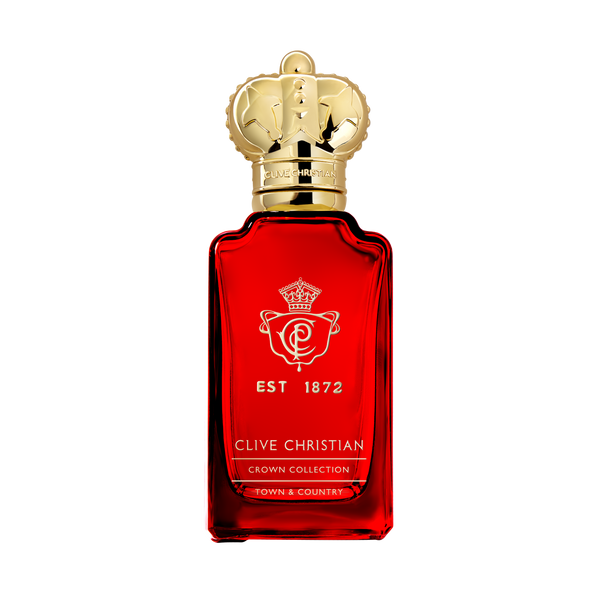
Clary Sage, Grey Amber & Sandalwood
Town & Country

petitgrain, cedarwood & clary sage
1872 Masculine
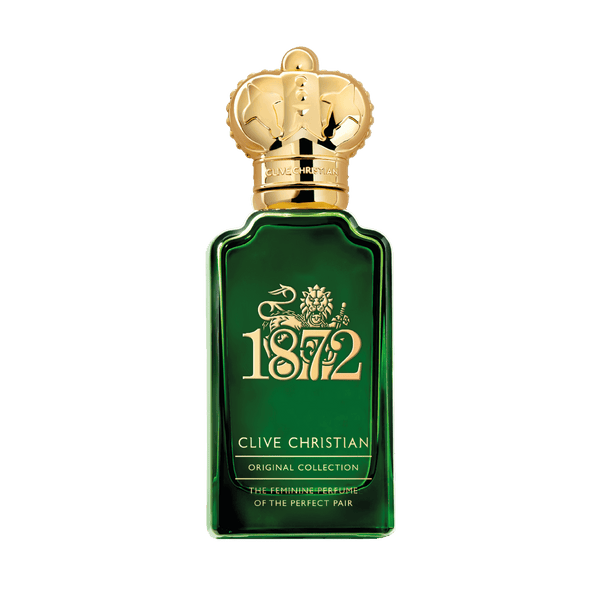
bergamot, patchouli & rose de mai
1872 Feminine
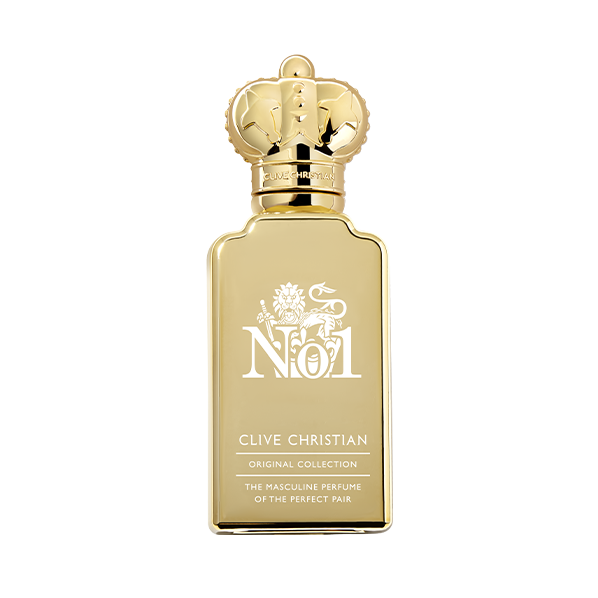
nutmeg, sandalwood & tonka
No1 Masculine

orange bigarade, sandalwood & tuberose
Jump up and Kiss Me Ecstatic

apple blossom, sandalwood & rhubarb
Crab Apple Blossom
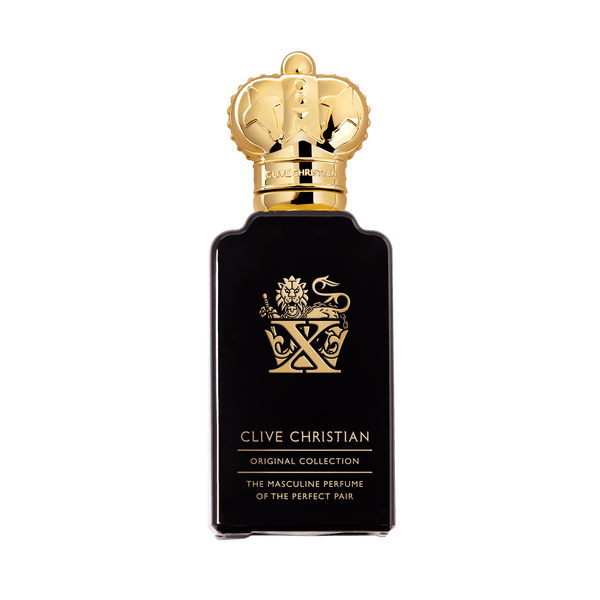
cardamom, oakmoss & orris
X Masculine

pimento, madagascan vanilla & ylang-ylang
No1 Feminine

elemi, frankincense & white pepper
V Amber Fougere

mandarin, patchouli & jasmine
I Woody Floral

lemon, benzoin & cocoa
Cosmos Flower
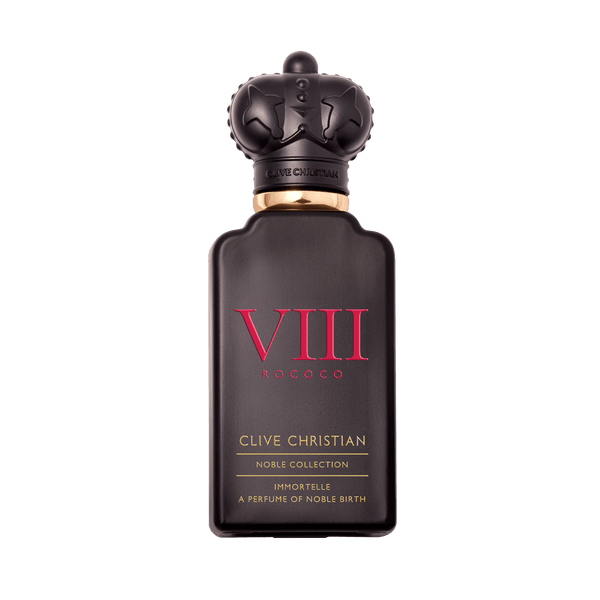
bergamot, papyrus & immortelle
Immortelle

cassis, oakmoss & magnolia
Magnolia
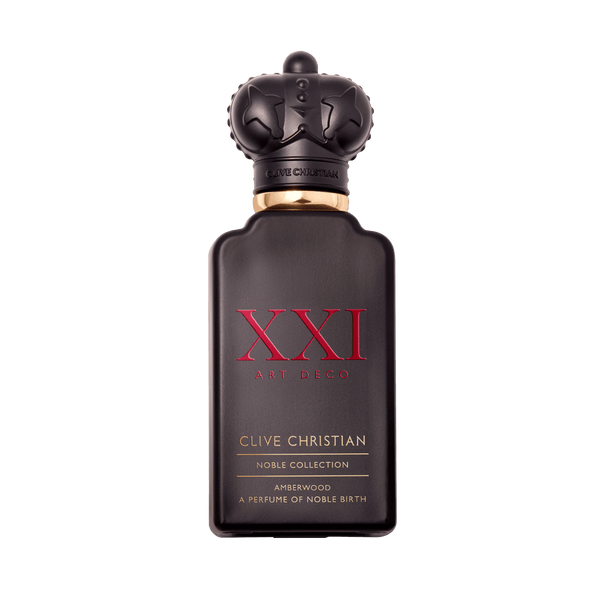
angelica seed, sage absolute & timberwood
Amberwood
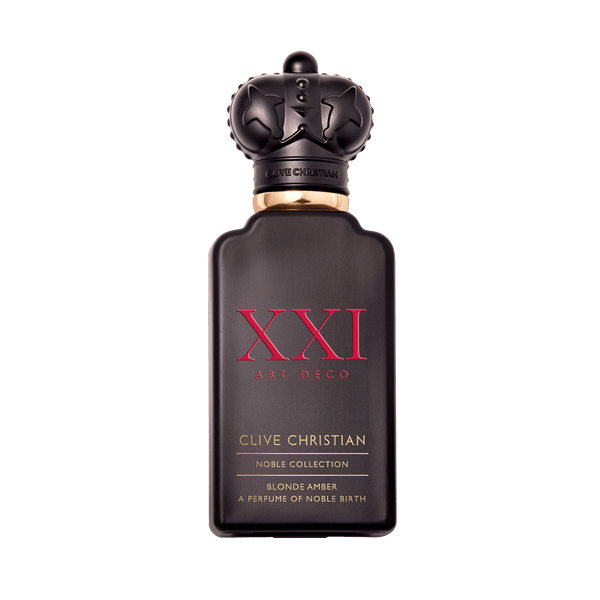
bitter orange, tonka & blonde tobacco
Blonde Amber

matetea, labdanum & tobacco
Jump up and Kiss Me Hedonistic

Baies Rose, Musk & Fleuriste Fusion
E Cashmere Musk

Crown Traveller Set

bergamot, oakmoss & mate tea
Matsukita

peach, cashmere musk & jasmine
X Feminine
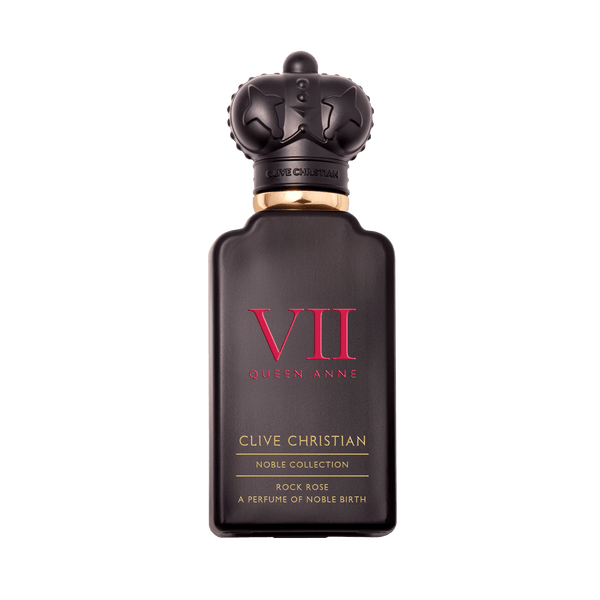
tarocco orange, saffron & rock rose
Rock Rose
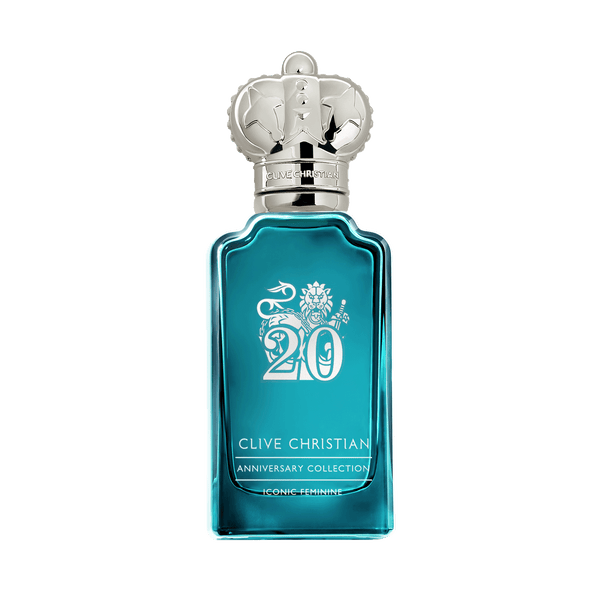
Saffron, Honey & Damask Rose
Iconic Feminine

Yuzu, Haitian vetiver & Mandarin
Iconic Masculine


